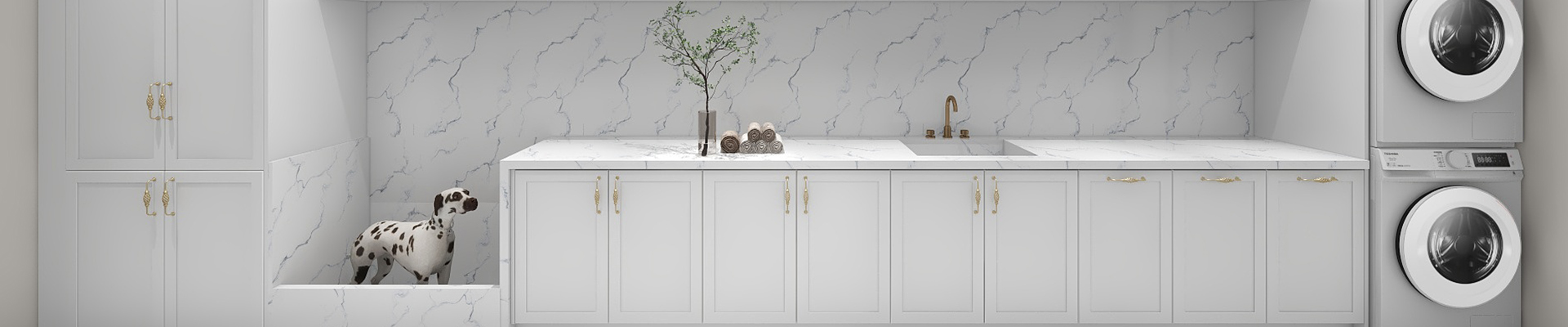



Most installation disputes are scope disputes. Write an eight-line matrix before the quote: carcass, doors, benchtop, appliances, plumbing, electrical, waste removal and snagging. Mark each line as included, excluded or by others. A single ambiguous line can cost 10–18% of the project.
Eight scope lines, each marked included, excluded or by others.
Installation is 10–18% of project cost.
Benchtop and services are usually by others.
A scope matrix prevents most disputes.
Snagging is part of the scope, not an extra.
1. Why scope matters
Installation is a sequence of tasks, and each task can sit with the cabinet installer, another trade or the client. If the matrix is not written, each side assumes the other. The dispute surfaces at handover, when it is expensive to resolve.
2. The eight lines
| # | Line | Typical owner | Watch |
|---|---|---|---|
| 1 | Carcass | Cabinet installer | Level and fix |
| 2 | Doors and drawers | Cabinet installer | Hang and adjust |
| 3 | Benchtop | Specialist or installer | Template and seal |
| 4 | Appliances | By others | Opening and fixing |
| 5 | Plumbing | By others | Sink and tap |
| 6 | Electrical | By others | Sockets and lights |
| 7 | Waste removal | Installer or client | Packaging and offcuts |
| 8 | Snagging | Installer | List closed |
The matrix is the contract. If a line is not marked, it is not clear, and unclear lines become disputes.
3. Carcass and doors
The cabinet installer positions, levels and fixes the carcass, then hangs and adjusts the doors and drawers. That is the core scope and should be explicit. Anything beyond it, such as moving services or cutting the benchtop, is a separate line.
4. Benchtop
Stone benchtops are usually templated and fitted by a specialist after the carcass is fixed. Laminate may be fitted by the cabinet installer. The template timing and the sealing responsibility should be stated, because a delayed template delays the whole kitchen.
5. Appliances and services
The cabinet installer provides the opening and the fixing, not the connection. Plumbing, electrical and gas connections are by others, and the certificates are theirs. If the client expects the installer to connect, it should be stated and priced, because it changes the liability.
6. Waste removal
Packaging and offcuts have to go somewhere. On a city site, waste removal can cost more than the installation of a small unit. Mark it as installer, client or by others, and price it.
7. Snagging
Snagging is a walk-through with a written list, closed before handover. It is part of the installation scope, not an extra. The snag list template gives the format.
8. Writing the matrix
One page, eight lines, three columns: included, excluded, by others. Attach it to the quote and the purchase order. The installation sequence shows the order the lines are delivered in.
9. A checklist before you commit
Before you sign, confirm six things: the board grade, the hardware model, the finish system, the packing standard, the inspection scope and the payment schedule. Each should be in writing, not in a call. The quote checklist turns the six into a one-page comparison.
10. Common mistakes
The most common mistake is comparing a factory price with a landed cost. The second is leaving the inspection out of the budget. The third is paying the balance before the inspection is signed off. Each is avoidable with a written scope and a pre-shipment inspection.
11. How to measure the room
Measure each wall at three points, top, middle and bottom, and use the smallest. Walls are rarely square, and a 10 mm bow over three metres changes the filler. Measure the ceiling at each corner and note sockets, radiators and soil pipes before drawing. A measured survey saves more time than a faster drawing, and the measuring guide has a printable sheet.
13. A specification checklist
Write four lines for every material: the product, the grade, the thickness and the surface or edge treatment. A material specified by name alone leaves the grade to the factory, and the grade is where the cost and the performance sit.
14. Questions the factory will ask
Expect four questions: which grade, which thickness, which edge and which batch. The answers should already be in the specification. If they are not, the factory will choose, and the choice will be the cheapest that meets the drawing.
Frequently asked questions
What should installation include?
Carcass position, level and fix; doors and drawers hung and adjusted; benchtop template, fit and seal; and a snag walk. Appliances and services are usually by others unless stated.
Is benchtop installation part of cabinet installation?
It depends on the contract. Stone benchtops are often by a specialist; laminate may be by the cabinet installer. Write it down.
Who connects the sink and tap?
Usually a plumber, not the cabinet installer. If the installer is expected to connect, it should be stated and priced.
Who connects the appliances?
Usually an electrician or an appliance fitter. The cabinet installer provides the opening and the fixing, not the connection.
What is a snag list?
A written list of defects found at the walk-through, agreed with the installer and closed before handover. It is the step that protects the handover date.
Why do installation disputes happen?
Because the scope was not written. One side assumes fitting, the other assumes delivery. A scope matrix prevents most of them.