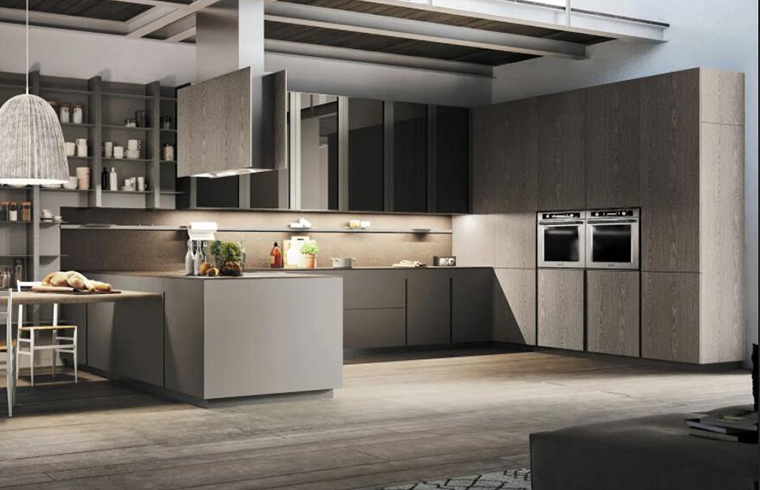
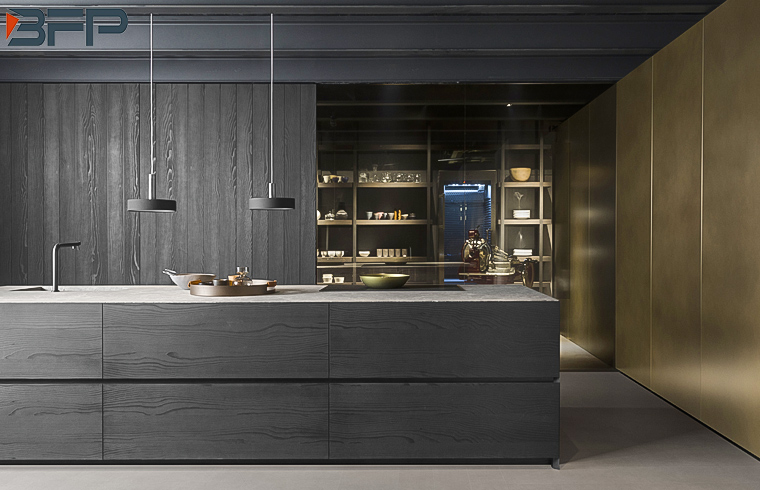
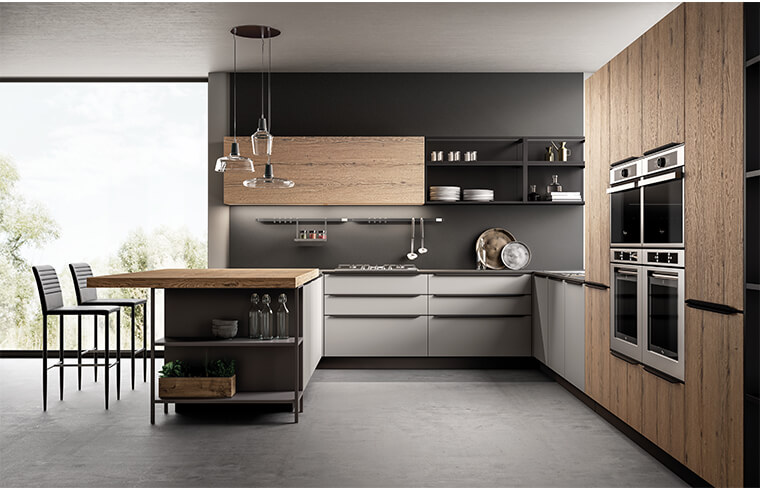
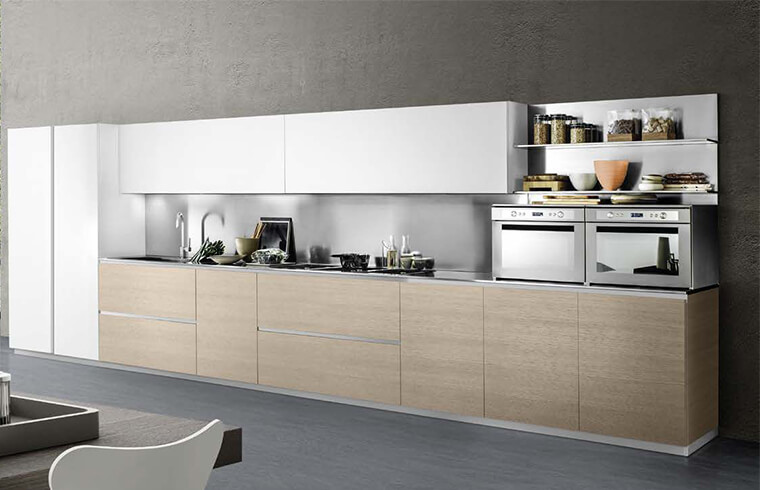
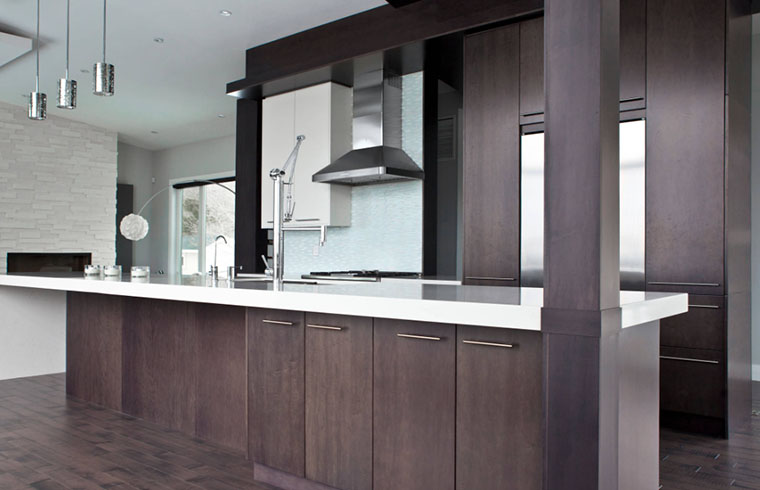
When planning a kitchen, cabinet materials play a key role in both daily performance and overall appearance. Among the most common options, laminate kitchen cabinets and veneer kitchen cabinets are often compared, yet many buyers are unsure how they truly differ.
At first glance, these two cabinet types may look similar, especially with today’s advanced manufacturing techniques. However, their surface materials, durability, maintenance needs, and cost structure vary significantly. These differences directly affect how cabinets perform in real kitchens—especially in terms of moisture resistance, wear over time, and long-term value.
This article clearly explains the difference between laminate and veneer kitchen cabinets from a practical perspective. By understanding how each option is made and where it performs best, homeowners and project buyers can make informed decisions that suit their kitchen layout, usage habits, and budget—without unnecessary compromises.
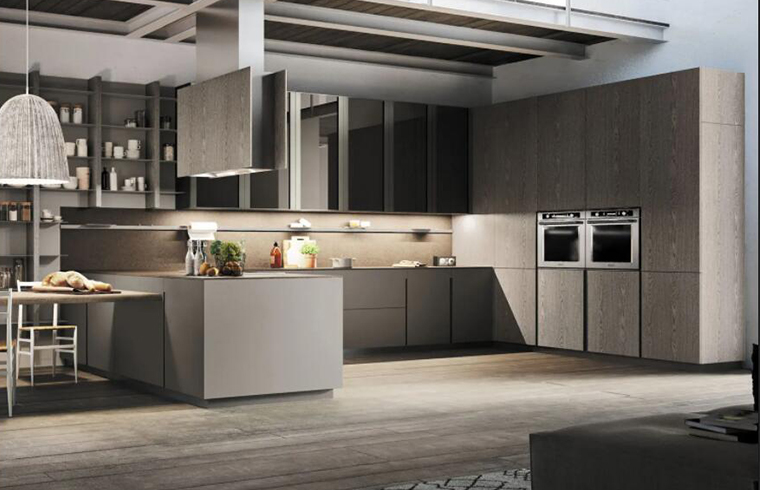
To start with, laminate kitchen cabinets are made by bonding a decorative laminate surface onto a core material, most commonly MDF or plywood. The laminate layer itself is typically composed of resin-treated paper or synthetic materials that are compressed under high pressure. This manufacturing process creates a hard, sealed surface designed for daily kitchen use.
In practical terms, laminate kitchen cabinets are known for their uniform appearance. Because the surface is factory-produced, every cabinet panel looks the same in color, pattern, and texture. This consistency makes laminate an ideal choice for modern kitchens that emphasize clean lines and visual order.
Another important characteristic of laminate kitchen cabinets is their resistance to moisture and stains. Since the surface is non-porous, it does not absorb liquids easily. As a result, spills, grease, and everyday splashes can usually be wiped away with a damp cloth. For this reason, laminate cabinets are often used in high-traffic kitchens or environments where maintenance needs to be simple and predictable.
From a design perspective, laminate finishes are available in a wide range of options. These include solid colors, matte or glossy surfaces, and wood-look patterns that imitate natural materials. While laminate does not contain real wood on the surface, modern manufacturing allows it to closely resemble wood grain, making it visually appealing at a more controlled cost.
Overall, laminate kitchen cabinets are valued for their durability, ease of maintenance, and cost efficiency, especially in projects where performance and consistency are prioritized over natural variation.
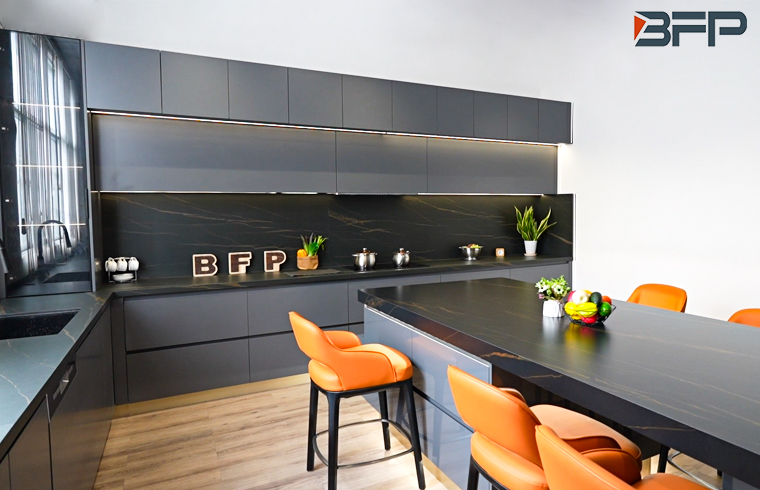
In contrast, veneer kitchen cabinets are made by applying thin slices of real wood onto an engineered core such as MDF or plywood. Unlike laminate, the surface layer of veneer cabinets is genuine wood, which means each panel carries its own natural grain pattern, texture, and color variation.
From the outset, veneer kitchen cabinets are often chosen for their authentic appearance. Because real wood is used, no two cabinet doors are exactly the same. This natural variation adds warmth and depth to the kitchen space, making veneer a popular option in custom and semi-custom kitchen designs.
Another key advantage of veneer kitchen cabinets is their balanced construction. By using engineered cores instead of solid wood, veneer cabinets are generally more stable and less prone to warping or cracking caused by temperature and humidity changes. This makes them well suited for kitchens, where environmental conditions can fluctuate throughout the year.
In terms of finishing options, veneer surfaces can be stained, painted, or coated with protective layers to achieve different looks while still preserving the wood grain underneath. Over time, veneer kitchen cabinets can also be refinished or repaired more naturally than laminate, which contributes to their long-term value.
That said, veneer kitchen cabinets typically require more careful maintenance than laminate. While they are durable for everyday use, real wood surfaces are more sensitive to moisture and sharp impacts. As a result, veneer cabinets are often selected by homeowners or project clients who value aesthetics and are willing to maintain them properly.
In summary, veneer kitchen cabinets offer natural beauty, material authenticity, and design flexibility, making them a strong choice for kitchens where visual quality and craftsmanship are top priorities.
After understanding how laminate kitchen cabinets and veneer kitchen cabinets are constructed, the next step is to compare how they perform in real kitchen environments. While both options are widely used, their differences become more obvious when viewed from daily use, appearance, and long-term value.
To begin with, surface material is the most fundamental difference. Laminate kitchen cabinets use a synthetic, sealed surface, while veneer kitchen cabinets feature a thin layer of real wood. This directly affects how the cabinets look and feel. Laminate surfaces appear uniform and consistent, whereas veneer surfaces show natural grain patterns and subtle variations.
In addition, durability and stability differ between the two. Laminate kitchen cabinets are highly resistant to moisture, stains, and daily wear, making them suitable for high-use kitchens. Veneer kitchen cabinets, on the other hand, offer strong structural stability thanks to their engineered core, but the real wood surface requires more care to avoid moisture damage.
From a maintenance standpoint, laminate kitchen cabinets are generally easier to clean and maintain. Their non-porous surface allows quick cleaning without special products. Veneer kitchen cabinets may need more attention, especially in areas exposed to water or heat, but they can be refinished if surface wear appears over time.
When evaluating laminate kitchen cabinets versus veneer kitchen cabinets, budget planning plays a critical role, especially for large or long-term projects.
In most cases, laminate kitchen cabinets are more cost-effective upfront. Their standardized manufacturing process helps control costs, making them a popular choice for apartments, rental properties, and multi-unit developments. For project buyers, this predictable pricing also simplifies budgeting and timelines.
By comparison, veneer kitchen cabinets usually involve a higher initial investment due to the use of real wood and more detailed finishing processes. However, they are often chosen for private homes or custom kitchens where visual quality and long-term appeal are priorities. In such cases, veneer cabinets may add perceived value to the space.
Therefore, the right choice depends not on price alone, but on how the kitchen will be used and what level of finish is expected.
From a design perspective, both laminate and veneer kitchen cabinets offer flexibility, but in different ways.
Laminate kitchen cabinets provide a wide range of colors, textures, and surface finishes, including matte, high gloss, and wood-look styles. This makes laminate suitable for modern, minimalist kitchens that rely on clean lines and consistent surfaces.
In contrast, veneer kitchen cabinets stand out for their natural visual depth. Because each wood veneer is unique, these cabinets create a warmer and more organic atmosphere. Designers often use veneer cabinets in spaces where texture and material authenticity are important elements of the overall kitchen design.
As a result, laminate tends to suit functional and contemporary layouts, while veneer fits well in kitchens that emphasize craftsmanship and material character.
When deciding between laminate kitchen cabinets and veneer kitchen cabinets, the most practical approach is to match the material to your usage needs and project type.
For kitchens with heavy daily use, frequent cleaning, or limited maintenance capacity, laminate kitchen cabinets are often the safer and more practical option. Their durability and easy care make them reliable in busy environments.
On the other hand, for homeowners seeking a refined look and willing to invest in long-term aesthetics, veneer kitchen cabinets offer a sense of quality that synthetic surfaces cannot fully replicate. With proper care, veneer cabinets can maintain their appearance for many years.
Ultimately, there is no universally “better” choice—only a more suitable one depending on the kitchen’s purpose.
From a professional kitchen cabinet supplier standpoint, selecting between laminate and veneer should always involve more than surface appearance. Experienced suppliers typically guide clients through several key factors, including kitchen layout, usage frequency, budget range, and project timeline.
In practice, many issues arise when cabinet materials are chosen without considering how the kitchen will actually be used. For example, veneer cabinets placed in moisture-heavy zones without proper protection may lead to avoidable maintenance problems. Likewise, choosing laminate purely for cost without considering visual expectations may result in dissatisfaction later.
A reliable kitchen cabinet supplier helps balance these considerations, ensuring that material selection aligns with both functional needs and long-term expectations.
In conclusion, the difference between laminate kitchen cabinets and veneer kitchen cabinets lies in material composition, maintenance needs, visual character, and cost structure. Laminate offers durability and consistency, while veneer provides natural beauty and depth.
Rather than focusing on trends, the most effective approach is to choose cabinet materials based on real usage, design goals, and project requirements. With the right guidance, both laminate and veneer cabinets can deliver excellent results.
As an experienced kitchen cabinet supplier, BFP specializes in providing practical cabinet solutions for residential and project-based kitchens worldwide. From material selection to production and delivery, BFP supports clients with stable quality, professional advice, and reliable service.
If you are planning a kitchen project and need expert guidance on laminate or veneer kitchen cabinets, work with BFP to turn your requirements into a well-executed solution.


We employ cookies to analyze website traffic and enhance your browsing experience. Data securely aggregated, privacy protected. See Privacy Policy for details.