When sourcing kitchen cabinets for apartment projects, residential developments, or hotel renovations, buyers consistently face the same material decision: PVC or laminate? This comparison appears in nearly every large cabinet procurement process, and for good reason. Both materials dominate the mid-range cabinet market. They share several attractive characteristics that make them suitable for project work. Both offer moisture resistance better than paint or natural wood veneer. Both can be manufactured efficiently at scale, supporting the production volumes that large projects require. Both provide acceptable appearance at moderate cost, fitting the budget constraints common in apartment and commercial developments.
However, the similarities end when buyers examine long-term performance. Project managers, developers, and contractors focus on questions that extend beyond initial cost. Which material withstands daily use better? Which resists damage from normal kitchen activities? Which maintains its appearance over years of tenant turnover? Which generates fewer warranty claims and maintenance calls? These durability concerns drive the constant comparison between PVC and laminated kitchen cabinets. A cheaper material that fails after two years costs more than a slightly more expensive option that performs well for ten years. Understanding the real durability differences between these materials helps buyers make decisions that serve their projects effectively.
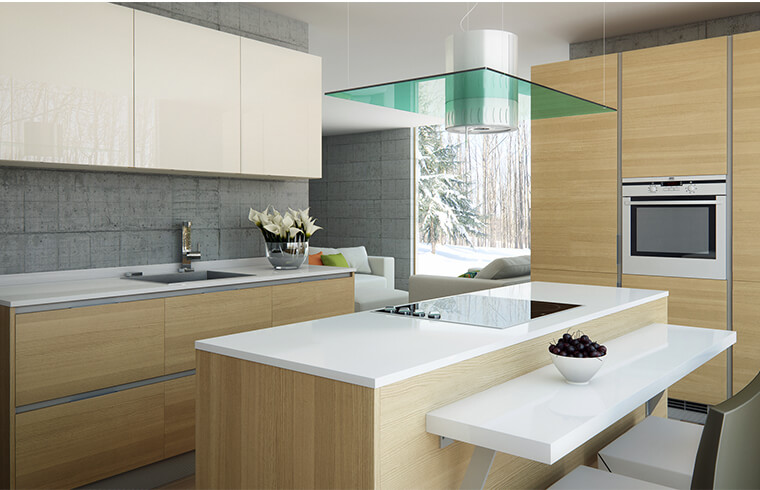
PVC kitchen cabinets use polyvinyl chloride film as the surface material applied to cabinet doors and sometimes cabinet boxes. The PVC film is typically vacuum-pressed onto an MDF (medium-density fiberboard) or particleboard core. This process wraps the panel completely, covering edges as well as faces in a single continuous surface.
The PVC film itself is a plastic material available in many colors, patterns, and textures. It can mimic wood grain, provide solid colors, or create textured surfaces. The film thickness typically ranges from 0.35mm to 0.5mm, though thickness varies by manufacturer and quality level.
PVC cabinets became popular in the economy and mid-range market because they offer several practical advantages. The material resists moisture effectively since the plastic surface does not absorb water. The manufacturing process is efficient, allowing consistent production at reasonable cost. The wrapped edges eliminate the need for separate edge banding, simplifying production and providing a seamless appearance.
These characteristics make PVC cabinets common in rental apartments, student housing, economy residential projects, and other applications where cost control matters and moderate performance is acceptable. The material performs adequately in typical kitchen use while maintaining prices that fit tight project budgets.
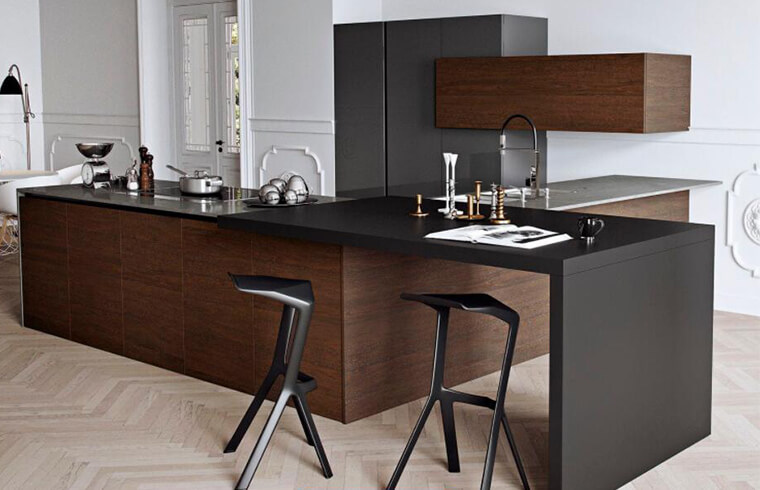
Laminated kitchen cabinets use laminate sheets bonded to substrate panels, typically MDF or particleboard. The laminate material consists of multiple layers of kraft paper impregnated with resin, topped with a decorative layer and a protective overlay, all compressed together under high heat and pressure.
Two main types of laminate are used in cabinet manufacturing. HPL (high-pressure laminate) is thicker and more durable, typically 0.6mm to 1.0mm thick. It is manufactured separately from the substrate and then bonded to panels. Standard laminate, sometimes called low-pressure laminate or thermally fused laminate, is thinner and bonded directly during the panel manufacturing process.
Laminate surfaces offer extensive design options. Solid colors, wood grain patterns, stone looks, and abstract designs are all available. Surface textures range from smooth gloss to matte finishes to embossed textures that add dimension.
Modern kitchens frequently use laminated cabinets because the material balances cost, appearance, and performance effectively. Laminate costs more than PVC but less than natural wood veneer or lacquer finishes. It provides good durability for daily kitchen use while offering design flexibility that satisfies most aesthetic requirements.
For project applications, laminate cabinets appear in mid-range apartments, hotels, office break rooms, and residential developments where buyers want better performance than economy materials provide but cannot justify premium material costs.
Comparing PVC and laminated cabinets requires examining specific durability factors that affect real-world performance. General claims about quality mean little without understanding how each material responds to actual kitchen conditions.
Laminate surfaces are significantly harder than PVC film. The resin-impregnated layers in laminate create a rigid surface that resists scratching from utensils, cookware, and cleaning activities. Normal kitchen use—setting down pots, sliding dishes across counters, wiping with cleaning cloths—causes minimal visible damage to quality laminate surfaces.
PVC film is softer and more vulnerable to scratching. Sharp objects can cut through the film to the substrate beneath. Even relatively gentle contact with hard items can leave marks on PVC surfaces. In kitchens with frequent use, PVC cabinet doors and drawer fronts accumulate visible scratches over time. This difference matters most in high-traffic kitchens. A rental apartment that sees new tenants every year or two experiences considerable wear. Commercial kitchens in hotels or office buildings face even harder use. For these applications, laminate's superior scratch resistance translates to better long-term appearance.
Laminate materials tolerate heat better than PVC. The resin layers in laminate remain stable at temperatures that damage PVC film. While neither material should contact very hot cookware directly, laminate survives occasional heat exposure better.
PVC film can soften, discolor, or deform when exposed to high temperatures. Near stoves, ovens, or other heat sources, PVC surfaces may show damage over time. The plastic material does not handle sustained heat well. This difference is particularly important for cabinets located near cooking appliances. Base cabinets adjacent to ranges, wall cabinets above cooktops, and any cabinet receiving direct heat from cooking activities perform better when finished with laminate rather than PVC.
PVC demonstrates excellent moisture resistance. The plastic film does not absorb water, and the vacuum-pressing process creates continuous coverage over panel edges. Water simply sits on the surface until wiped away. Even in very humid environments or with direct water contact, PVC surfaces resist moisture damage effectively.
Laminate also resists moisture well, though performance depends partly on edge treatment. The laminate surface itself does not absorb water. However, exposed edges where laminate meets substrate can allow moisture penetration if edge banding is poor quality or becomes damaged. Quality laminated cabinets with properly sealed edges perform well in moist environments.
For practical purposes, both materials handle normal kitchen humidity and occasional water contact adequately. PVC has a slight advantage in very wet conditions or when edge quality is questionable, but properly manufactured laminate cabinets also provide good moisture resistance.
Over years of daily use, laminate cabinets generally maintain their appearance and function better than PVC cabinets. The harder surface resists accumulated wear. The more heat-stable material does not degrade near appliances. The color stability is typically better, with less fading or yellowing over time.
PVC cabinets show age more noticeably. The softer surface accumulates scratches and marks. Areas near heat sources may discolor. High-traffic surfaces develop a worn appearance. While PVC cabinets can last for years with careful use, they typically do not maintain a like-new appearance as long as comparable laminate cabinets.
For projects where cabinets must perform well through multiple tenant cycles, extended warranty periods, or many years of ownership, laminate's better long-term durability provides real value despite higher initial cost.
Understanding that durability depends on more than just surface material helps buyers make better decisions. Several factors work together to determine how well cabinets perform over time.
Substrate quality matters enormously. Both PVC and laminate surfaces are applied to substrate panels, typically MDF or particleboard. Higher-density substrates with better moisture resistance and structural stability support surface materials better. A PVC cabinet built on high-quality substrate may outlast a laminate cabinet built on poor substrate.
Edge banding quality affects moisture resistance and appearance retention. Well-applied edge banding, properly sealed and bonded, protects panel edges from moisture and impact damage. Poor edge banding allows moisture penetration, creates peeling edges, and reduces overall cabinet life regardless of surface material.
Hardware quality determines functional durability. Hinges and drawer slides receive constant stress through thousands of open-close cycles. Premium hardware maintains smooth function and proper alignment far longer than budget hardware. Cabinet surfaces may remain perfect while failed hardware makes cabinets unusable.
Installation quality influences long-term performance. Properly leveled and secured cabinets maintain door alignment and reduce stress on materials and hardware. Poor installation creates problems that no amount of material quality can overcome.
Use environment affects all cabinets. Kitchens with high humidity, extreme temperature variations, or very heavy use test any material's limits. Understanding the environment helps select appropriate materials and set realistic performance expectations.
These factors explain why buyers cannot judge durability by surface material alone. Complete cabinet quality depends on thoughtful specification across all components and careful installation.
Despite laminate's durability advantages, PVC cabinets are the right choice for certain project types and requirements. Budget-limited projects often benefit from PVC's lower cost. When total project budgets are fixed and cabinet allocation is modest, PVC provides acceptable performance at prices that keep projects financially viable. The cost savings can be redirected to other project elements.
Rental apartment projects with shorter investment horizons may prioritize initial cost over maximum longevity. If the development strategy involves holding properties for five to seven years before sale, PVC cabinets that perform adequately through that period may suit the investment model better than more expensive options.
High-humidity environments where moisture is a primary concern favor PVC's superior moisture resistance. Coastal locations with salt air, tropical climates with constant humidity, or units with poor ventilation may benefit from PVC's seamless moisture barrier.
Projects with shorter timelines sometimes choose PVC because it is widely available and can be manufactured quickly. When schedule constraints are severe, material availability becomes a selection factor.
Low-frequency use applications such as vacation rentals, secondary kitchens, or guest units experience less wear than primary residences. PVC's durability limitations matter less when use intensity is low.
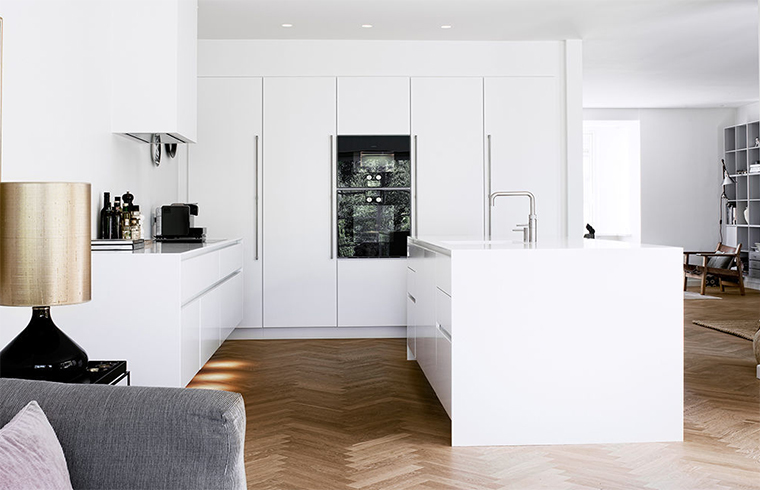
Laminate cabinets justify their higher cost in situations where better durability provides measurable value. Long-term hold properties benefit from laminate's superior longevity. Developers planning to hold apartment buildings for 15 or 20 years should consider how cabinets will look and function after a decade of tenant turnover. Laminate's better wear resistance reduces replacement and maintenance costs over extended periods.
High-traffic kitchens in hotels, office buildings, or large family units experience intense daily use. Laminate's scratch resistance and heat tolerance make it more suitable for these demanding applications.
Mid-range residential projects targeting quality-conscious buyers or renters should consider laminate's better appearance retention. Tenants and buyers notice cabinet condition. Better-quality cabinets support higher rents, faster leasing, and stronger resale values.
Projects emphasizing durability in marketing should deliver actual durability in specifications. If sales materials promise quality construction and long-lasting materials, laminate cabinets support these claims better than PVC.
Applications near heat sources should use laminate for cabinets adjacent to cooking appliances. The heat resistance difference between materials is significant enough to affect performance in these locations.
Making the right material choice requires evaluating your specific project parameters against each material's characteristics. For apartment projects, consider the target market and hold period. Luxury apartments justify laminate. Economy apartments serving price-sensitive renters may work well with PVC. Mid-market properties should evaluate whether the rent premium from better finishes justifies the cost difference.
For hotel projects, evaluate use intensity. Limited-service hotels with basic room amenities might use PVC in small kitchenettes. Full-service hotels with standard kitchen facilities should consider laminate for better durability under guest use.
For residential developments, align material choice with overall project positioning. Entry-level homes use PVC to control costs. Move-up and executive homes use laminate to support quality expectations.
For budget optimization, consider hybrid approaches. Use laminate for high-wear locations like drawer fronts and doors near appliances. Use PVC for lower-wear applications like upper cabinet doors in less-used areas. This balances cost and performance strategically.
The decision should always account for total cost of ownership, not just initial purchase price. Cheaper cabinets that require replacement or generate maintenance calls may cost more over the project life than initially more expensive options that perform better.
From a pure durability standpoint, laminated kitchen cabinets outperform PVC kitchen cabinets in most measures. Laminate resists scratching better. Laminate tolerates heat better. Laminate maintains appearance longer under normal use conditions.
However, PVC cabinets offer superior moisture resistance and lower initial cost. For specific applications where these advantages matter more than scratch resistance and heat tolerance, PVC may be the better choice.
The durability question cannot be answered without project context. A PVC cabinet in a guest bedroom kitchenette used twice per year may outlast a laminate cabinet in a commercial kitchen used all day every day. Durability is not just about material properties—it is about matching material capabilities to use requirements.
For most apartment projects, mid-range residential developments, and hospitality applications, laminate cabinets provide better long-term value despite higher initial cost. The improved wear resistance, heat tolerance, and appearance retention justify the price difference over typical project lifespans.
For economy projects, short-hold investments, or applications where moisture is the primary concern, PVC cabinets deliver adequate performance at lower cost.
Selecting cabinet materials for large projects requires balancing multiple factors: budget constraints, performance requirements, aesthetic goals, and timeline pressures. BFP understands these challenges and works with project buyers to identify solutions that serve their specific needs.
BFP manufactures both PVC and laminated kitchen cabinets with quality substrates, professional edge banding, and reliable hardware. Our team can recommend the most appropriate material for your project based on your budget, use requirements, and performance goals.
We provide physical samples that allow direct comparison of materials and finishes. Our design team can develop kitchen solutions using your preferred materials and provide cost estimates for different material options, helping you make informed decisions.
For large projects requiring professional design support, detailed production drawings, and reliable phase delivery, BFP offers complete cabinet solutions from concept through installation support.Contact us with your project requirements to discuss which cabinet materials will serve your needs most effectively.


We employ cookies to analyze website traffic and enhance your browsing experience. Data securely aggregated, privacy protected. See Privacy Policy for details.