Kitchen cabinets are more than just storage units; they define the overall look and feel of the space. In most kitchen projects, cabinets take up a large visual area, which means their style directly affects how the kitchen is perceived. Because of this, choosing between traditional kitchen cabinets and transitional kitchen cabinets is an important decision for developers, designers, and homeowners.
At the same time, cabinet style also influences functionality and long-term usability. A well-chosen design can improve workflow, simplify maintenance, and support the overall value of the property. For this reason, understanding the differences between these two popular kitchen cabinet styles helps ensure the final result meets both design and practical requirements.
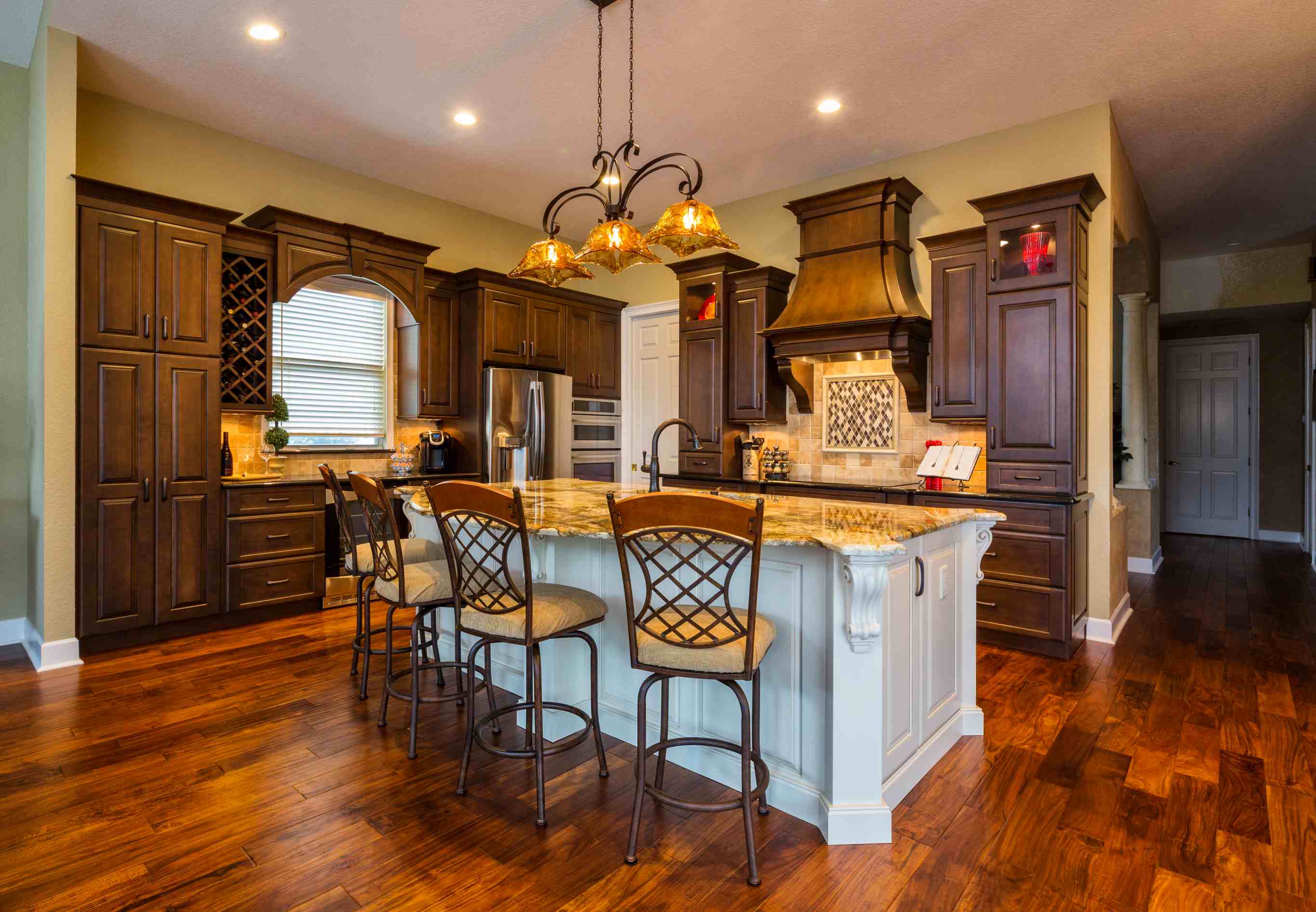
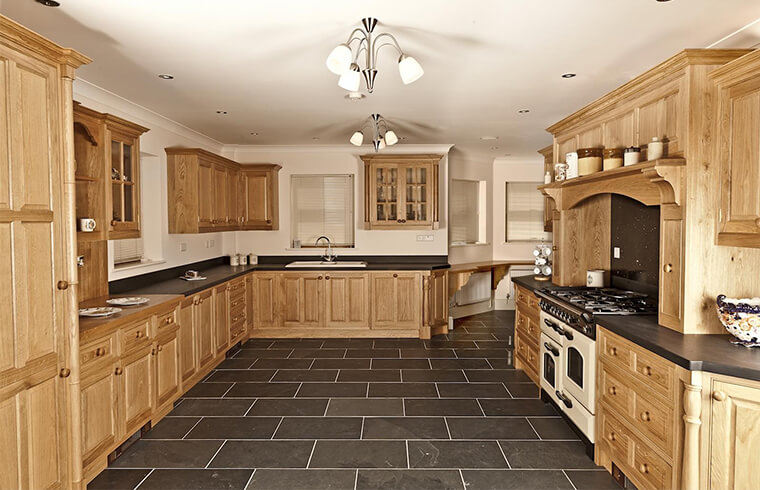
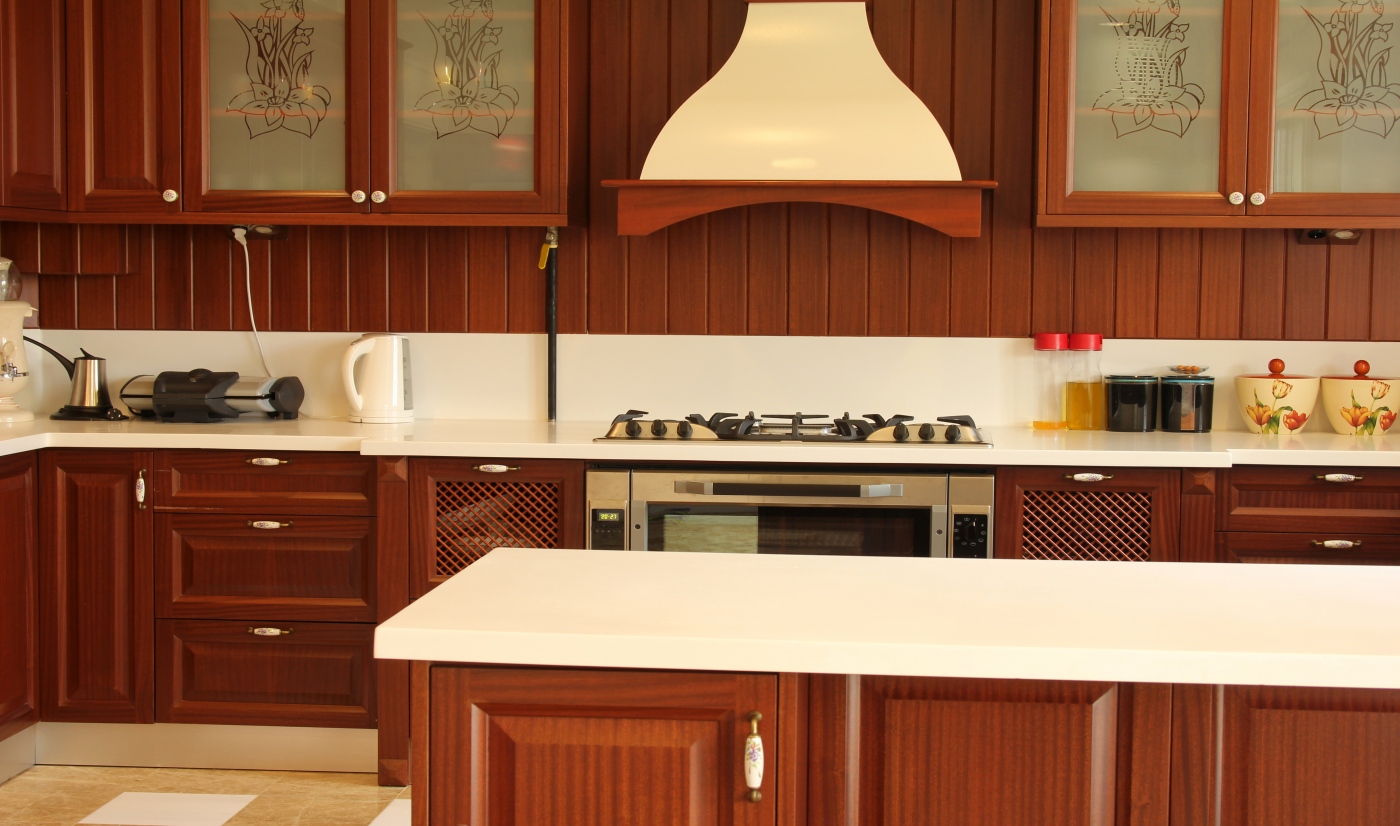
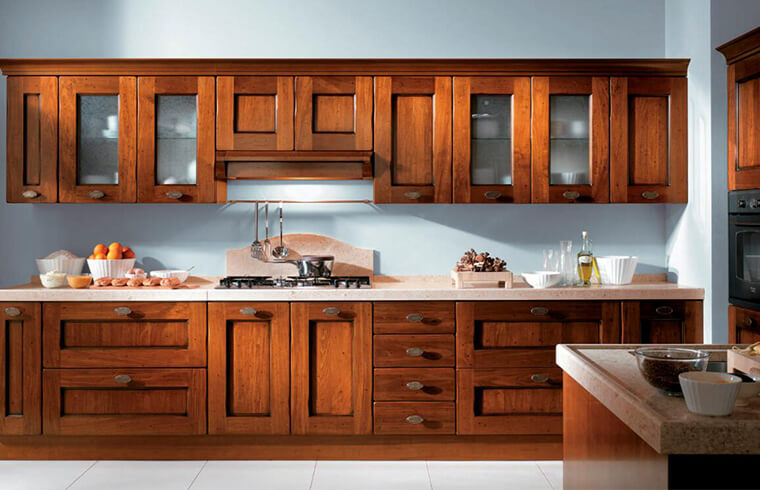
Traditional kitchen cabinets are inspired by classic European and American design styles. They are known for their detailed craftsmanship and timeless appearance. Instead of focusing on simplicity, this style emphasizes decorative elements that create a rich and elegant look.
In terms of structure, traditional cabinets usually feature framed construction, which provides strength and a more defined appearance. The doors often include raised or recessed panels, adding depth and dimension to the design. Decorative elements such as crown molding, carved trims, and corbels are commonly used to enhance visual appeal.
Material choice also plays a key role in traditional designs. Natural wood species such as oak, cherry, and walnut are frequently used, often finished with stains that highlight the grain. These deeper tones contribute to a warm and inviting atmosphere. Visible hardware, including handles and knobs, further adds to the classic style.
Because of these characteristics, traditional kitchen cabinets are often associated with luxury homes or projects that aim for a formal and refined look. Their timeless design ensures they remain relevant across different design trends, making them a reliable option for projects that prioritize long-term aesthetic value.
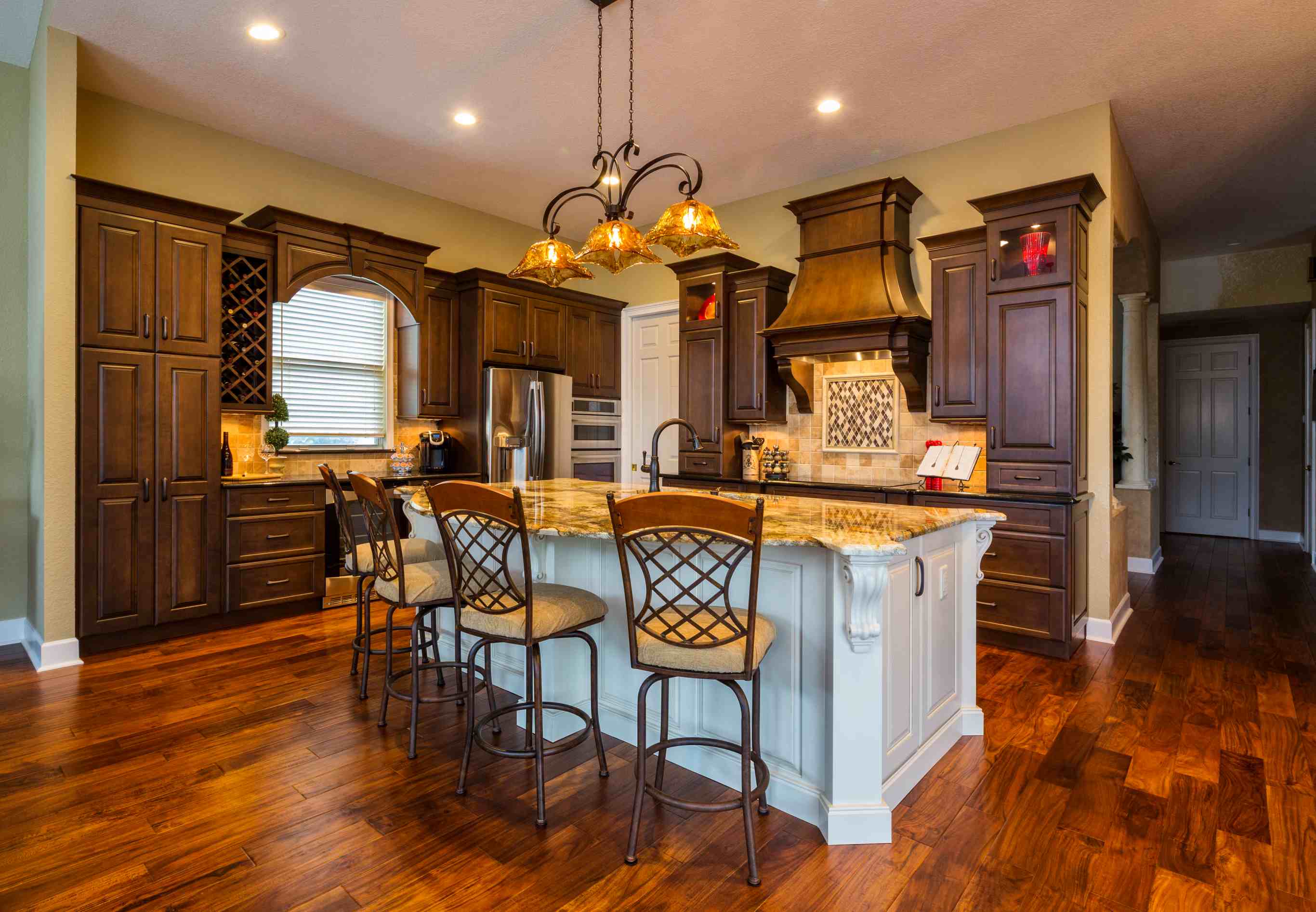
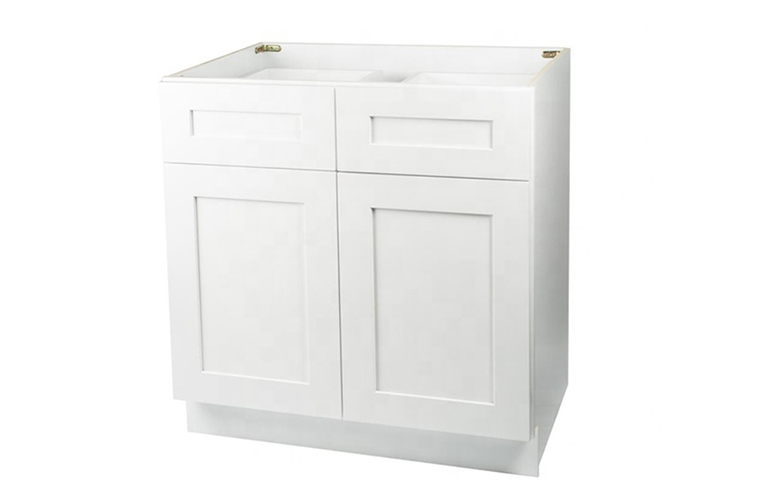
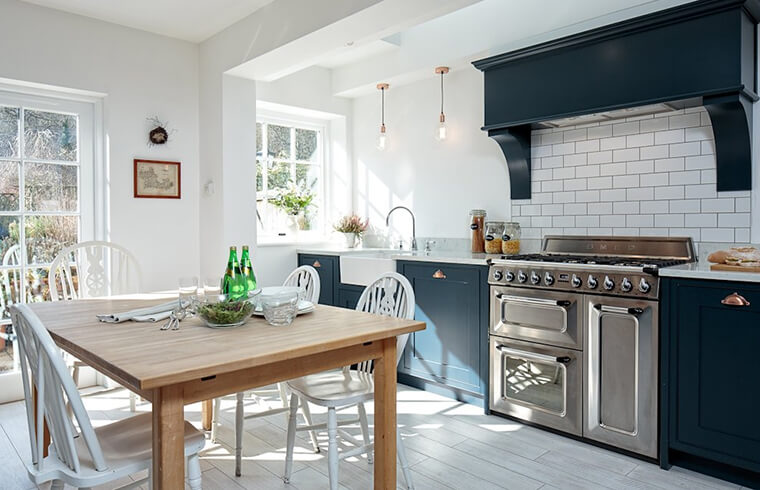
Transitional kitchen cabinets offer a balanced approach by combining elements of both traditional and modern design. This style focuses on simplicity while still maintaining a sense of warmth and comfort. As a result, transitional kitchen cabinets have become a popular choice in many residential and commercial projects.
The design typically features clean lines and simple profiles. Shaker-style doors are one of the most common elements, as they provide a structured yet understated look. Compared to traditional cabinets, decorative details are reduced, which creates a more streamlined appearance.
Color selection in transitional kitchens usually includes neutral tones such as white, gray, or soft beige. These colors help create a calm and open environment. In addition, materials are often mixed to achieve a modern yet natural look. For example, wood cabinetry may be combined with quartz countertops or metal hardware.
Another important feature of transitional cabinets is their focus on functionality. The simplified design makes them easier to clean and maintain, which is beneficial in busy kitchens. At the same time, their flexible style allows them to fit into different types of interiors without appearing outdated.
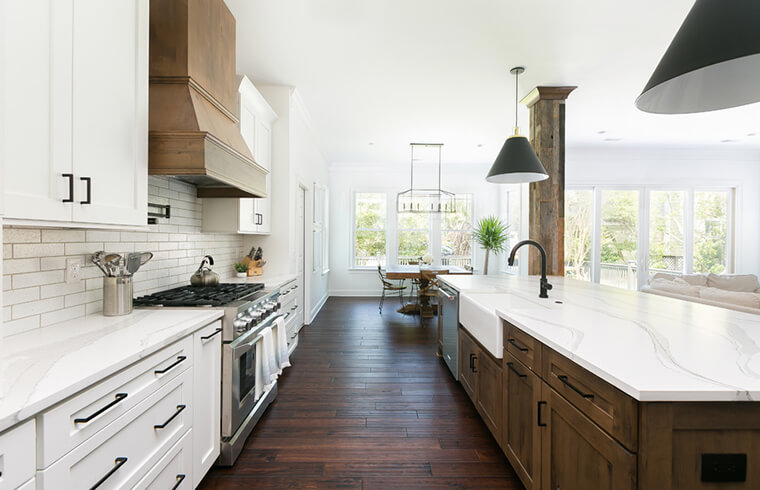
Although traditional kitchen cabinets and transitional kitchen cabinets have distinct styles, they also share several important characteristics. Both designs aim to create a comfortable and visually appealing kitchen space. Unlike purely modern styles, these two approaches prioritize warmth and a welcoming atmosphere.
In many cases, both styles include elements such as crown molding, farmhouse sinks, and customized range hoods. These features enhance the overall design and provide functional benefits. While the level of detail may vary, the intention to create a cohesive and attractive space remains consistent.
Additionally, both cabinet styles are widely used in residential projects. Their timeless qualities make them suitable for long-term use, which is especially important in property development. Whether the design leans more toward classic or contemporary, both styles offer reliable solutions for a variety of kitchen layouts.
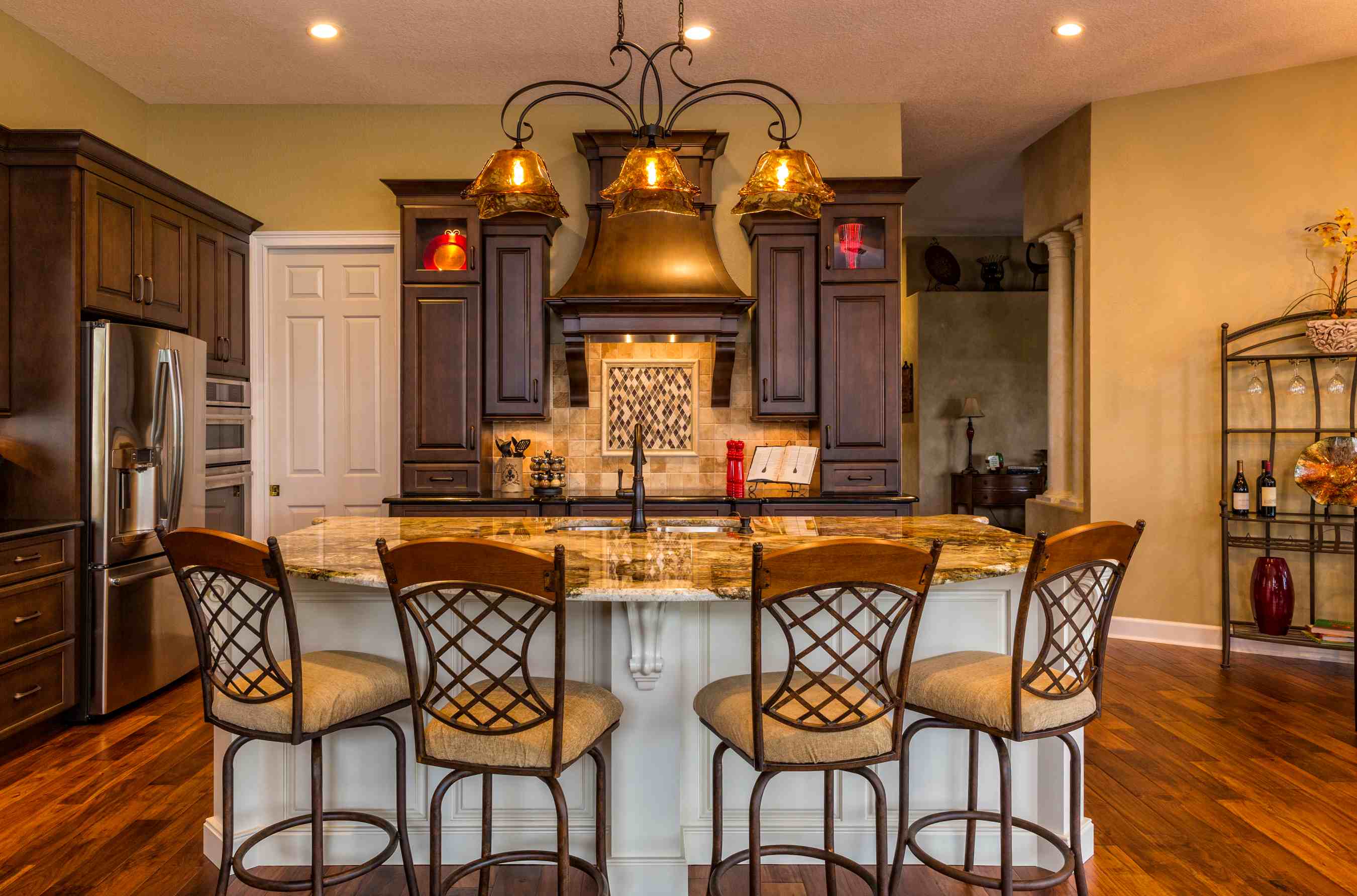
Despite their similarities, there are clear differences between traditional kitchen cabinets and transitional kitchen cabinets that affect both appearance and performance. One of the most noticeable differences lies in design complexity. Traditional cabinets include intricate carvings, moldings, and detailed finishes, which create a strong visual presence. In contrast, transitional cabinets simplify these elements, resulting in a cleaner and more modern look.
The choice of materials and colors also sets the two styles apart. Traditional cabinets often use darker wood tones with prominent grain patterns, contributing to a more formal atmosphere. Transitional cabinets, on the other hand, favor lighter colors and softer finishes, which help create a brighter and more open space.
Another key difference is how each style affects the perception of space. Traditional designs tend to feel more solid and substantial, which works well in larger kitchens or luxury homes. Transitional designs, with their lighter appearance and reduced detailing, can make smaller spaces feel less crowded and more efficient.
Maintenance is also an important factor to consider. The detailed surfaces of traditional cabinets may require more effort to clean, while the smoother surfaces of transitional cabinets are easier to maintain. This difference can have a practical impact, especially in high-use environments.
Overall, understanding these differences helps buyers choose the right cabinet style based on project needs, design goals, and long-term use.
When comparing traditional kitchen cabinets and transitional kitchen cabinets, understanding their strengths and limitations helps guide better decisions. Each style serves different project goals, and the right choice often depends on how design, cost, and maintenance are balanced.
Traditional kitchen cabinets are known for their timeless appearance and strong visual impact. Their detailed craftsmanship, natural wood materials, and decorative elements create a sense of luxury that is difficult to replace. Because of this, they are often selected for projects where design quality plays a major role in property value. In addition, framed construction and solid materials provide reliable structural performance over time. However, these advantages also come with certain trade-offs. The use of high-quality wood and complex detailing usually leads to higher production costs. At the same time, the presence of carvings, moldings, and textured finishes can make cleaning more demanding. In some markets, highly ornate designs may also feel less aligned with current preferences for simpler interiors.
In contrast, transitional kitchen cabinets offer a more balanced solution. Their simplified design reduces unnecessary decoration while still maintaining a warm and welcoming look. This makes them suitable for a wide range of projects without appearing too formal or too minimal. Because the structure is more streamlined, production is often more efficient, which helps control costs in large-scale orders. Maintenance is also easier, as smoother surfaces are quicker to clean and less likely to trap dust or grease. On the other hand, transitional cabinets may not provide the same level of visual richness as traditional designs. For projects that require a strong statement or a highly customized appearance, this style may feel more neutral.
Overall, both styles provide reliable options, but they serve different priorities. Traditional cabinets emphasize design and detail, while transitional cabinets focus on flexibility and practicality.
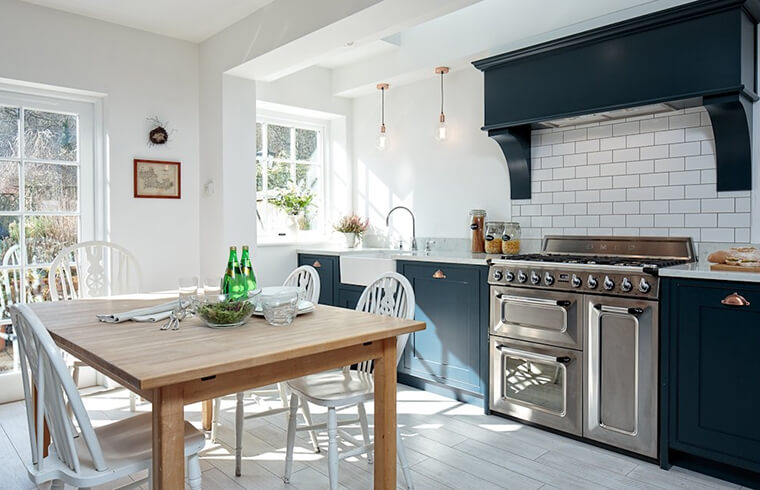
The choice between traditional kitchen cabinets and transitional kitchen cabinets becomes clearer when considering specific project types. Each environment has its own requirements, and selecting the appropriate style helps ensure both performance and cost efficiency.
In large apartment developments, transitional kitchen cabinets are often the preferred option. Their clean lines and neutral appearance make them suitable for a broad range of tenants. Because these projects involve multiple units, consistency and production efficiency are essential. Transitional designs support standardized manufacturing, which helps maintain uniform quality across the project. At the same time, their easy maintenance reduces long-term operational costs for property managers.
Rental housing projects also benefit from transitional kitchen cabinets. These environments typically experience frequent use and tenant turnover, which increases the need for durable and easy-to-maintain materials. Cabinets with simple surfaces and fewer decorative elements are less likely to show wear and are easier to clean between occupants. This practical advantage makes transitional designs a reliable choice for long-term rental properties.
High-end residential projects, however, often lean toward traditional kitchen cabinets. In these settings, the kitchen is not only functional but also a central design feature. Detailed wood finishes, decorative moldings, and rich textures contribute to a more luxurious atmosphere. This visual quality can enhance the overall value of the property and appeal to buyers who prefer classic interiors. While the cost may be higher, the design impact often justifies the investment.
In hospitality projects, both styles can be used together to achieve a balanced result. Transitional cabinets are commonly used in high-traffic areas due to their durability and ease of maintenance. Meanwhile, traditional cabinets may be applied in premium suites or special areas where a more refined appearance is desired. This combination allows developers to manage costs while maintaining a high standard of design.
Selecting the right kitchen cabinet style requires careful consideration of several practical factors. Rather than focusing only on visual preference, it is important to evaluate how the cabinets will perform in the intended environment.
The overall design concept of the project provides a strong starting point. Spaces that follow a classic or formal architectural style naturally align with traditional kitchen cabinets. Their detailed elements complement other decorative features and create a cohesive look. On the other hand, projects with modern or mixed design elements often benefit from transitional kitchen cabinets. Their balanced appearance allows them to integrate easily into different interior styles without creating visual conflict.
Budget considerations also play an important role in the decision-making process. Transitional cabinets are generally more cost-effective due to their simpler design and efficient production methods. This makes them suitable for projects where cost control is a priority. Traditional cabinets, with their higher material and labor requirements, are more commonly used in projects where design value outweighs budget constraints.
Usage conditions further influence the choice. Kitchens that experience frequent use require materials that are easy to maintain and resistant to daily wear. Transitional cabinets meet these requirements with their smooth surfaces and practical design. In contrast, traditional cabinets may require more care, especially in areas with heavy use. However, in environments where the kitchen is used less intensively, their detailed design can be maintained more easily.
Market positioning is another factor to consider. Projects targeting a broad audience often benefit from transitional kitchen cabinets, as their neutral design appeals to a wide range of preferences. Meanwhile, projects aimed at a specific high-end market may achieve better results with traditional cabinets, as they offer a stronger visual identity.
When evaluating traditional vs transitional kitchen cabinets, it becomes clear that both styles offer distinct advantages. Traditional cabinets provide a rich and elegant appearance that supports high-end design goals. Their detailed craftsmanship and use of natural materials make them a strong choice for projects that emphasize visual quality and long-term value.
Transitional cabinets, on the other hand, deliver a more versatile and practical solution. Their clean lines, neutral colors, and simplified structure make them suitable for a wide range of applications. They are especially effective in projects that require cost efficiency, durability, and ease of maintenance.
Rather than viewing these styles as competing options, it is more useful to consider them as different tools for different project needs. The most effective choice depends on how design, budget, and functionality are prioritized. By aligning the cabinet style with the overall project strategy, developers and designers can achieve a result that meets both practical and aesthetic expectations.
If you are planning a project and need expert guidance on choosing between traditional kitchen cabinets and transitional kitchen cabinets, BFP can support you with professional solutions. With a dedicated team responsible for design, cost estimation, and production drawings, BFP ensures that every project is handled with precision and efficiency.
BFP offers a wide range of cabinet styles to meet different project requirements, from classic traditional designs to versatile transitional solutions. Whether your focus is on achieving a high-end visual effect or maintaining cost control in large-scale developments, BFP can provide tailored recommendations based on your needs.
By working with an experienced cabinet manufacturer, you can improve project efficiency, ensure consistent quality, and achieve a balanced combination of design and performance.


We employ cookies to analyze website traffic and enhance your browsing experience. Data securely aggregated, privacy protected. See Privacy Policy for details.