Selecting a kitchen cabinet manufacturer for a large project is fundamentally different from placing a small order. When you order cabinets for a single home or a small renovation, mistakes are manageable. A delayed shipment causes inconvenience. A quality issue requires a replacement. These problems cost time and money, but they do not threaten the entire project.
Large projects operate under completely different conditions. When you source cabinets for 200 apartment units, a hotel development, or a multi-building residential complex, every supplier decision carries significant consequences. A cabinet manufacturer who fails to deliver on time does not just delay cabinet installation. That delay stops countertop fabricators from measuring. It prevents plumbers from connecting sinks. It blocks electricians from installing under-cabinet lighting. One supplier failure creates a cascade of problems that affects every trade on the job site.
Real estate developers, general contractors, and project managers understand this reality. They know that the biggest risks in cabinet sourcing are not about price. The real concerns center on several critical factors that can make or break a project.
Delivery delays represent perhaps the most damaging problem. Construction schedules are tightly coordinated. When cabinets arrive late, the entire project timeline shifts. Penalty clauses activate. Holding costs accumulate. Relationships with property owners and investors suffer damage that extends far beyond the immediate financial impact.
Quality inconsistencies create long-term problems. The cabinets in unit 150 must match the cabinets in unit 1. When quality varies across a large order, warranty claims multiply. Service calls consume resources for years after project completion. Tenant dissatisfaction affects property reputation and lease renewals.
Design errors generate expensive corrections. Cabinets that do not fit their intended spaces require field modifications or complete replacement. Installation teams waste hours adapting products that should have been manufactured correctly from the start.
Project coordination failures disrupt workflow. A manufacturer who cannot communicate effectively, manage phase deliveries, or respond to project changes creates friction at every stage. This friction translates directly into cost overruns and schedule delays.
After-sales problems leave contractors exposed. When a manufacturer disappears after receiving payment, contractors must handle warranty claims and repairs without support. This damages their reputation and their relationships with clients.
These concerns explain why experienced project buyers approach cabinet sourcing systematically. They evaluate manufacturers based on capabilities that matter for large projects, not just on catalog photos and quoted prices. The following sections provide a practical framework for this evaluation process.
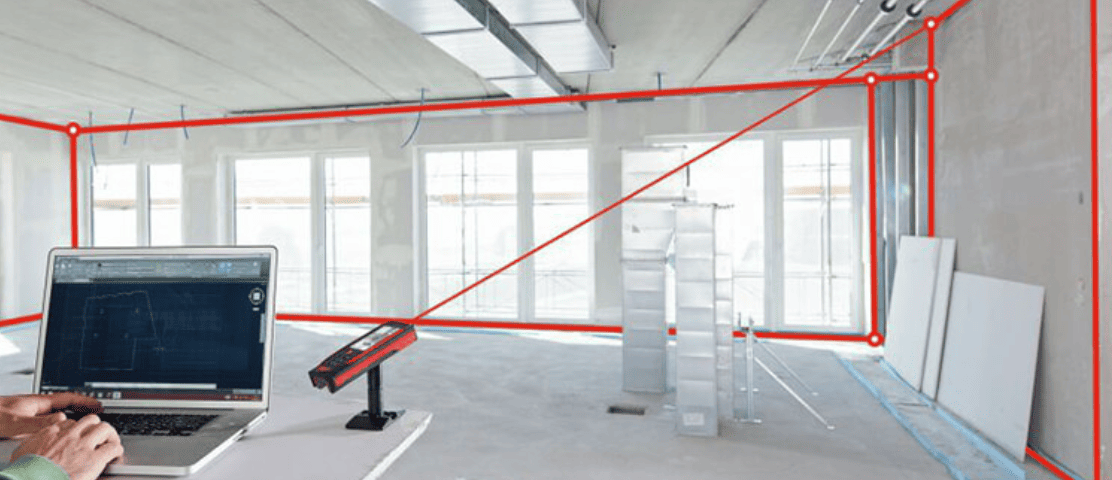
Understanding common sourcing problems helps you ask the right questions and avoid the wrong suppliers. These problems occur regularly in large cabinet projects, and each one can seriously damage your project outcomes.
Suppliers who cannot deliver on time. This problem tops the list because it causes the most immediate damage. Some manufacturers accept orders without realistic capacity to fulfill them. They promise aggressive timelines to win business, then miss every deadline. Others lack the production planning systems to manage large orders effectively. They start your order, encounter a problem, set it aside to handle other work, and never catch up to the original schedule.
Low initial quotes followed by price increases. Some suppliers use unrealistically low prices to win orders, then find reasons to increase costs after commitment. They claim material prices increased. They discover that your specifications require additional work. They add charges for packaging, documentation, or shipping that were not mentioned in the original quote.
Good samples but poor production quality. Sample cabinets often receive special attention. They may be built by the most skilled workers, using the best materials, with extra time for quality inspection. Production cabinets are manufactured under normal conditions with standard workers and time pressure.
Design solutions that do not match site conditions. Large projects involve complex site conditions. Ceiling heights vary between floors. Walls are not perfectly straight or square. Plumbing and electrical locations differ from architectural drawings. Structural elements create obstacles not shown on plans.
Missing or inadequate production drawings. Production drawings guide cabinet installation. They show exact dimensions, hardware locations, filler requirements, and installation sequences. Without accurate production drawings, installers must make decisions on site, leading to inconsistent results and costly mistakes.
Shipping damage from inadequate packaging. Kitchen cabinets are vulnerable to damage during transportation. Corners dent. Doors scratch. Panels crack. Finishes chip. When cabinets travel across oceans in containers, the risk increases substantially.
No after-sales support. Large projects extend over long periods. Problems emerge during installation, during warranty periods, and after occupancy. You need a manufacturer who responds to issues, provides replacement parts, and supports problem resolution.
Manufacturers who lack large project capability. Some cabinet manufacturers operate successfully at small volumes but cannot handle large orders. They may have excellent craftspeople but weak project management. They may lack inventory systems to track thousands of components. They may not have quality control processes that scale effectively.
Recognizing these problems is the first step toward avoiding them. Each section that follows addresses specific evaluation criteria that help identify manufacturers capable of handling large projects successfully.
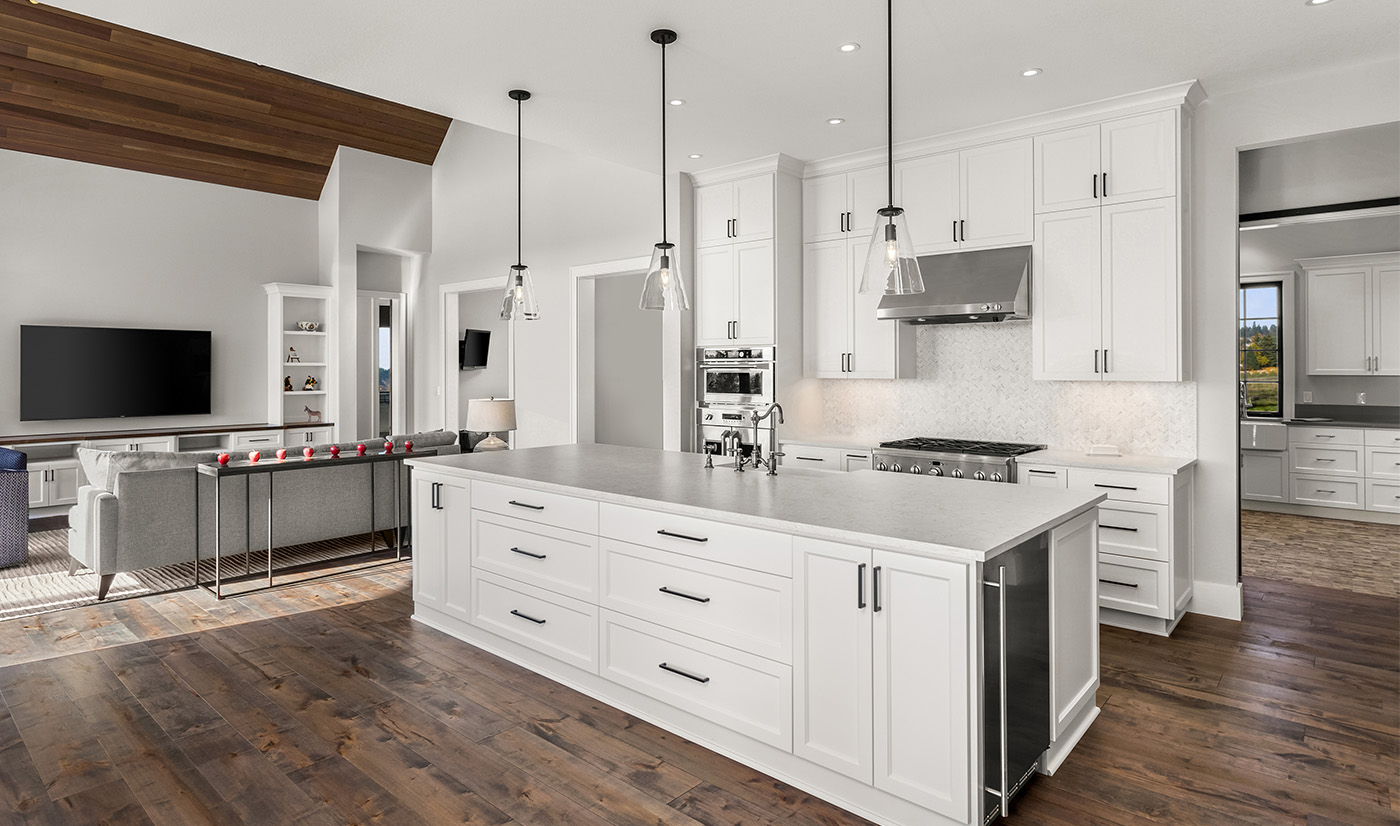
Before contacting any cabinet manufacturer, document your project requirements thoroughly. This preparation serves two important purposes. It enables manufacturers to provide accurate quotes and realistic timelines. It also helps you identify which manufacturers can actually meet your needs.
Vague requirements produce vague quotes. Vague quotes lead to surprises later in the project. Taking time to define requirements clearly prevents these problems.
Start with the basic parameters that define your project scope.
Unit count. How many kitchens require cabinets? This number drives production planning, material procurement, and logistics arrangements. Be specific about the total count and any breakdown by unit type or building phase.
Phase schedule. Will cabinets be delivered all at once or in phases aligned with construction progress? Phase delivery is common in large apartment projects where construction proceeds floor by floor or building by building. Manufacturers need to plan production around your phase schedule.
Critical dates. What milestones affect cabinet delivery? When does construction start for each phase? When must cabinets be on site? What penalty dates exist in your contracts? What is the final completion date? Sharing this information helps manufacturers assess whether they can meet your timeline.
Available lead time. How much time exists between order confirmation and first delivery? Production lead times vary by manufacturer and order complexity. Knowing your available time helps both parties plan realistically.
Different projects require different quality levels. Clearly communicating your positioning helps manufacturers propose appropriate solutions.
Economic housing prioritizes cost efficiency and basic functionality. Cabinet designs are typically simple. Materials emphasize value over premium appearance. Hardware must be functional and durable but does not require high-end features.
Mid-range residential balances cost and quality. Cabinets should look attractive and perform well without requiring the most expensive materials. Soft-close hardware is typically expected. Multiple finish options provide design flexibility.
High-end residential demands premium quality throughout. Solid wood components, high-quality veneers, precision hardware, and sophisticated storage systems are common requirements. Design flexibility accommodates buyer customization.
Hospitality projects have specific requirements for durability, maintenance, and code compliance. Commercial-grade components, moisture-resistant materials, and easy-clean surfaces address the demands of hotel and restaurant environments.
Document your specific product requirements as completely as possible.
Cabinet construction. Do you need framed or frameless cabinets? Framed construction, with a face frame attached to the cabinet box front, is traditional in American kitchens. Frameless construction, without a face frame, offers a clean modern appearance and more interior space. Your choice affects production methods, hardware requirements, and design options.
Style requirements. What cabinet door styles suit your project? Contemporary projects might specify flat-panel doors with minimal detail. Traditional projects might require raised-panel doors with decorative molding. Transitional styles blend elements from both directions. Rustic styles emphasize natural materials and textures.
Material specifications. What materials are acceptable for cabinet boxes, doors, and components? Options include solid wood, plywood, MDF, and particleboard for structural elements. Surface treatments include wood veneer, laminate, PVC/vinyl wrap, and lacquer/paint finishes. Each material has different cost, appearance, and performance characteristics.
Hardware requirements. What quality level do you need for hinges, drawer slides, and accessories? Premium hardware from established manufacturers provides smooth operation, high durability, and long warranty coverage. Budget hardware costs less but may not perform as well over years of daily use.
Beyond the physical products, what services do you need from the manufacturer?
Design services. Do you need the manufacturer to develop kitchen layouts from architectural plans? Or will you provide complete specifications for production? Some manufacturers offer full design services. Others require detailed specifications from customers.
Production drawings. Do you need detailed installation drawings showing exact dimensions, hardware locations, and installation sequences? Professional production drawings reduce installation errors and improve job site efficiency.
Logistics coordination. What are your shipping requirements? Do you need the manufacturer to arrange transportation? Do you need phase shipping aligned with construction schedules? What are your receiving and storage capabilities?
After-sales support. What warranty terms do you expect? How should replacement parts be handled? What support do you need for installation questions or quality issues?
Documenting these requirements before manufacturer contact saves time for everyone. It enables manufacturers to provide complete and accurate proposals. It helps you compare different manufacturers consistently. It signals that you are a serious buyer who understands large project requirements.
With requirements defined, you can evaluate manufacturer capabilities. Manufacturing strength determines whether a supplier can actually deliver what they promise. Marketing materials show what manufacturers want you to see. Evaluation reveals what they can actually do.
Physical production capability sets the foundation for everything else.
Facility size and layout. Larger facilities generally indicate greater production capacity. A small workshop might produce excellent custom cabinets but cannot handle orders for hundreds of kitchens. Ask about total facility size, production area, and material storage capacity.
Automation level. Modern cabinet manufacturing relies heavily on CNC equipment for cutting, drilling, boring, and edge banding. Automated production delivers more consistent results than manual methods. It reduces human error. It enables higher volumes without proportional increases in labor. Ask what automated equipment the manufacturer uses and how automation affects their quality and capacity.
Equipment quality. Manufacturing equipment varies significantly in precision and capability. European machinery from companies like Homag, Biesse, or SCM represents the industry standard for high-quality production. Equipment age and maintenance also matter. Well-maintained modern equipment produces better results than outdated or neglected machines.
Material handling systems. Large projects require significant material inventory and work-in-process management. Manufacturers need organized storage, efficient material flow, and systems that prevent damage and maintain quality. Poor material handling leads to delays, damage, and confusion.
Understanding actual capacity helps determine whether a manufacturer can meet your schedule.
Monthly production volume. Ask about current production capacity measured in cabinet units, linear meters, or other relevant terms. Compare stated capacity to your project requirements. A manufacturer producing 1,000 cabinet units monthly may struggle with a project requiring 3,000 units in two months.
Current workload. Available capacity depends on existing commitments. A manufacturer with full order books may not have room for your project regardless of total capacity. Ask about current backlog and how your project would fit into their schedule.
Standard lead times. What production time does the manufacturer typically require from order confirmation to shipment? Lead times of 45 to 90 days are common for large custom orders. Be cautious about manufacturers promising unusually short timelines without clear explanation of how they achieve faster production.
Phase delivery capability. Can the manufacturer plan production to align with your construction schedule? This requires production systems that can manage multiple simultaneous phases at different stages of completion. It may require inventory storage for completed phases awaiting shipment. Ask how the manufacturer handles phase delivery and what systems support it.
Consistent quality across large orders requires systematic quality management, not just skilled workers.
Quality control processes. Ask what quality inspections occur during production. Effective manufacturers inspect incoming materials, monitor quality at critical production stages, and perform final inspection before packaging. Each checkpoint should have defined standards and documented procedures.
Quality documentation. Can the manufacturer provide documentation of quality activities? Inspection records, test reports, and defect tracking data demonstrate that quality management is systematic rather than informal.
Defect rates. What defect rate does the manufacturer typically achieve? No production achieves zero defects, but well-managed operations maintain rates below 2% or 3%. Ask how production defects are handled and how post-delivery issues are addressed.
Certifications. What quality certifications does the manufacturer hold? ISO 9001 indicates a formal quality management system. Environmental certifications demonstrate compliance with emission standards for panel products. These certifications do not guarantee quality, but their absence may indicate limited quality management maturity.
Evaluating manufacturing strength requires detailed questions and, ideally, factory visits. What you observe directly provides better information than what manufacturers tell you about themselves.
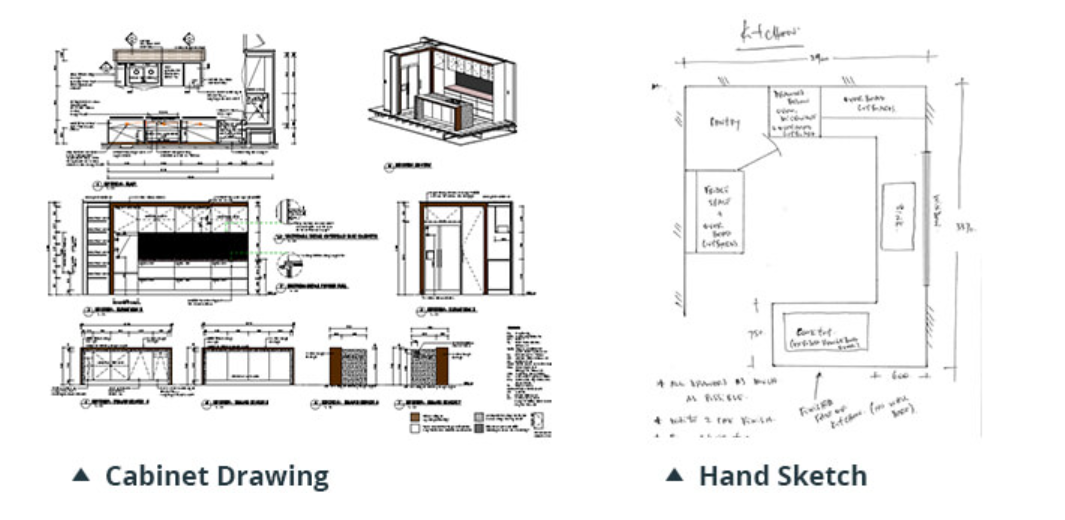
Catalog photos show cabinets at their best. Professional lighting, careful staging, and digital enhancement create impressive images that may not represent actual production quality. Evaluating real quality requires examining physical products and understanding the components that determine long-term performance.
The materials used for cabinet boxes, shelves, and doors determine structural integrity, durability, and appearance.
Solid wood remains the premium choice for cabinet frames and doors. Oak, maple, cherry, and walnut offer natural beauty, excellent durability, and refinishing potential. However, solid wood costs more and requires proper finishing to manage humidity-related movement. For large projects, solid wood is typically reserved for high-end applications.
Plywood consists of thin wood layers glued with alternating grain directions. This construction provides excellent strength and dimensional stability. Quality cabinet plywood has hardwood face veneers and void-free interior layers. Plywood costs more than particleboard but offers better screw-holding strength, moisture resistance, and long-term durability.
MDF (medium-density fiberboard) provides smooth, uniform surfaces ideal for painted finishes. It accepts paint and laminate well and machines cleanly. MDF is commonly used for cabinet doors in painted styles. It costs less than plywood but has lower moisture resistance and weaker fastener holding.
Particleboard is manufactured from wood particles bonded with resin. It offers the lowest material cost and serves as the standard substrate for economy and mid-range cabinet boxes. Quality varies significantly between manufacturers. Better particleboard has higher density, improved moisture resistance, and stronger screw-holding capacity. Lower grades may swell when exposed to moisture and fail at hinge mounting points.
Environmental standards matter for indoor air quality. Panel products release formaldehyde, and standards limit allowable emissions. E1 is the common European standard. E0 allows lower emissions. CARB Phase 2 applies to products entering the US market. Ask what standards the manufacturer's materials meet and request documentation.
Board thickness affects cabinet rigidity and durability. Cabinet sides are typically 16mm to 18mm thick. Back panels range from 5mm to 9mm, with thicker panels providing more structural support. Shelf thickness should match span and load requirements.
Hardware determines how cabinets function through years of daily use. Poor hardware generates complaints, warranty claims, and customer dissatisfaction that damages project reputation.
Hinges must support door weight, maintain alignment, and operate smoothly through thousands of cycles. Quality hinges feature steel construction, precise adjustment mechanisms, and integrated soft-close damping. Premium hinges from manufacturers like Blum or Hettich are rated for 200,000 cycles or more. Budget hinges may fail after 50,000 cycles, leading to sagging doors and alignment problems.
Drawer slides must support loaded drawers, operate smoothly, and last through years of daily opening and closing. Quality slides feature steel construction, ball bearing operation, and soft-close mechanisms. Weight capacity matters—slides rated for 25kg will fail with drawers full of heavy cookware. Premium systems offer full extension for complete drawer access and undermount installation for a clean appearance.
Soft-close mechanisms prevent slamming, reduce noise, and decrease wear on cabinets and hardware. They are now standard in mid-range and higher quality products. Quality soft-close components operate consistently over time and can be adjusted for different door and drawer weights.
How cabinets are assembled determines structural integrity and long-term performance.
Box construction methods vary in strength and durability. Dowel joints use wooden pins for alignment with adhesive providing strength. Confirmat screws create strong mechanical connections. Cam-lock fittings allow flat-pack shipping with on-site assembly. Dado joints fit panels into grooves for added rigidity. Better cabinets typically combine multiple methods for maximum strength.
Back panel mounting affects overall cabinet rigidity. Set-in backs, fitted into grooves in cabinet sides, provide more security than surface-applied backs. Thicker back panels and secure mounting contribute to cabinet stability, which affects door alignment over time.
Edge banding protects exposed panel edges from moisture and provides a finished appearance. Quality edge banding is applied with hot-melt adhesive and trimmed flush with panel surfaces. Poor edge banding may peel over time or show visible seams.
For large projects, physical sample evaluation is essential. No amount of photos and specifications substitutes for examining actual products.
Request complete samples. Ask for full cabinet samples, not just door samples or small material swatches. A complete cabinet allows evaluation of construction quality, hardware function, and finish execution.
Examine samples critically. Open and close doors repeatedly to test hinge action. Pull drawers to test slide smoothness and stability. Check finish quality under direct light. Test edge banding adhesion. Look at interior surfaces and concealed areas where shortcuts often appear.
Understand sample versus production. Samples may receive extra attention that production units do not get. Ask whether the sample represents standard production or was specially prepared. If possible, examine products from actual production orders rather than dedicated samples.
Quality evaluation requires both technical knowledge and careful attention. Time invested in thorough evaluation prevents problems that become extremely expensive to fix after production is complete.
Large kitchen cabinet projects are not simply manufacturing jobs. They are complex undertakings that require professional design and engineering support. The manufacturer's design capabilities directly affect project success, installation efficiency, and final cost.
Single kitchen projects can be designed by contractors with basic planning skills. Large apartment or hotel projects present fundamentally different challenges.
Multiple layouts. A typical apartment project includes many different floor plans, each requiring unique cabinet configurations. Studio units, one-bedroom units, two-bedroom units, and penthouses may all have different kitchen layouts. Each layout must be designed, detailed, and specified individually.
Site condition variations. Even identical floor plans have different site conditions. Column locations vary. Plumbing rough-in positions differ. Ceiling heights change across the building. Window placements affect cabinet runs. HVAC, electrical, and fire suppression systems create conflicts that must be resolved in design before production begins.
Building system coordination. Kitchen cabinets interact with multiple building systems. HVAC supplies and returns must clear cabinet locations. Electrical outlets and switches must be coordinated with cabinet placement. Plumbing supply and drain positions determine sink base design. Fire sprinklers may affect upper cabinet heights. Professional design requires coordination with all these systems.
Manufacturers with professional design teams offer significant advantages for large projects.
Complete solution development. Experienced designers develop complete kitchen solutions from architectural floor plans. They understand space planning, work triangle efficiency, and storage optimization. They know how to balance function with appearance within budget constraints.
Space optimization. Professional designers maximize storage and functionality within each kitchen layout. They select appropriate cabinet configurations, specify efficient interior fittings, and ensure every available space provides value.
Cost optimization. Experienced designers understand how design decisions affect manufacturing cost. They can suggest alternatives that reduce cost without sacrificing function. For projects with hundreds of units, small per-unit savings multiply into significant total reductions.
Production drawings are detailed technical documents that guide installation. They are distinct from design drawings and essential for efficient installation.
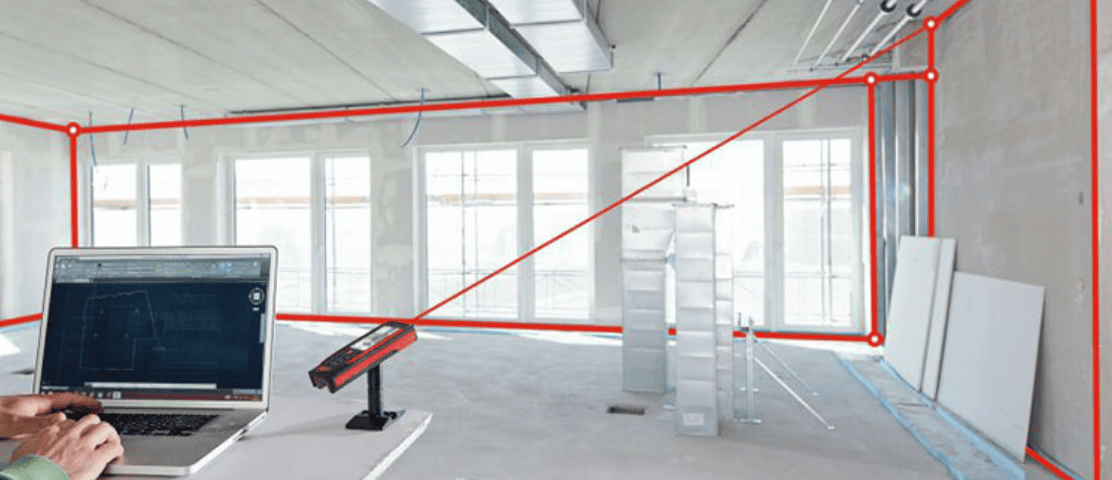
Precise dimensions. Production drawings show exact cabinet positions with all critical dimensions. They indicate clearances to walls, windows, and appliances. They specify filler piece locations and sizes.
Installation guidance. Complex kitchens require specific installation sequences. Production drawings communicate these requirements clearly, preventing mistakes and rework.
Trade coordination. Production drawings show information needed by other trades: plumbing connection locations, electrical requirements for appliances and lighting, and ventilation clearances. This information supports smooth coordination across all job site activities.
BFP maintains a team of professional designers specifically responsible for design solutions, cost estimation, and production drawings. This dedicated design capability ensures that every large project receives the engineering support needed for accurate manufacturing and efficient installation.
Accurate design and documentation dramatically reduce installation problems.
First-time fit. When cabinets are correctly designed for actual site conditions, they fit properly on the first attempt. No field modifications. No return trips for replacement parts. No frustrated installation crews trying to make products work in spaces they were not designed for.
Consistent results. Production drawings enable consistent installation quality across hundreds of units. Without clear documentation, each installer makes individual decisions, creating variations that affect appearance and function.
Faster installation. When installers have clear drawings and properly designed cabinets, installation proceeds quickly. Labor costs decrease. Project schedules accelerate. Coordination with other trades becomes easier.
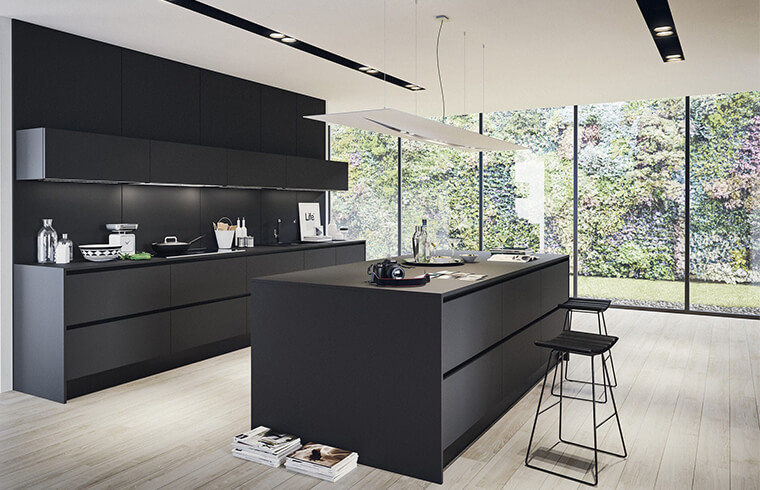
Comparing quotes from different cabinet manufacturers requires more than looking at bottom-line prices. The lowest quote is not necessarily the best value. Understanding what quotes include and exclude helps you make informed decisions and avoid costly surprises.
Low prices are attractive, but they often indicate problems that cost more than the apparent savings.
Missing scope. Some suppliers quote low by excluding items that others include. One quote might omit hardware, another might exclude interior fittings, and a third might not include production drawings. Direct price comparison without scope alignment produces misleading conclusions.
Quality differences. Lower prices often reflect lower quality materials, hardware, or construction methods. The cost difference between premium and budget hinges might be small per unit but significant when multiplied across thousands of doors. More importantly, the performance difference affects customer satisfaction for years.
Hidden costs. Some suppliers add charges after the initial quote: packaging costs, documentation fees, shipping surcharges, and change order charges for normal project adjustments. These additions can significantly increase final cost.
A complete cabinet quote for a large project should address all cost elements.
Product specifications. The quote should clearly identify what is included: cabinet types and quantities, materials, hardware specifications, finish details, and interior fittings.
Design services. If the manufacturer provides design services, the quote should indicate what is included and any limitations or additional charges.
Production drawings. The quote should specify whether production drawings are included, the level of detail provided, and how many revisions are covered.
Packaging. The quote should describe packaging methods and confirm that packaging cost is included in the quoted price.
Shipping terms. The quote should clearly state shipping terms using standard Incoterms. FOB, CIF, and delivered pricing have very different cost implications.
Payment terms. The quote should specify payment schedule, deposit requirements, and payment methods.
Timeline. The quote should include production lead time and any assumptions about order confirmation and material availability.
Ask specific questions to uncover costs that might not appear in initial quotes.
Change order policies. How are design changes after order confirmation handled? Large projects typically require some adjustments. Understanding change order costs helps avoid surprises.
Shipping and logistics. What is actually included in the quoted shipping price? Does it include customs clearance, duties, and delivery to site? Or just port-to-port freight?
Quality issues. What happens if quality problems are discovered after delivery? Who bears the cost of replacements and corrections?
Minimum order requirements. How do order quantities affect pricing? Understanding the relationship between volume and price helps evaluate quotes from different suppliers.
To compare quotes effectively, normalize them to consistent specifications.
· Align scope. Make sure all quotes include the same items. If one supplier includes soft-close hardware and another does not, adjust before comparing prices.
· Clarify assumptions. Each supplier makes assumptions about specifications that affect pricing. Clarify these assumptions so you understand what each price actually represents.
· Consider total cost. Look beyond unit pricing to total project cost, including design services, shipping, potential change orders, and risk factors. The most complete evaluation considers all costs, not just cabinet prices.
A manufacturer's experience with large projects provides insights that affect every aspect of your order. Experience cannot be purchased with a lower price. It must be developed through years of successfully completing projects similar to yours.
Different types of experience provide different value.
Apartment project experience indicates familiarity with multi-unit residential requirements. Manufacturers who have completed apartment projects understand phase delivery, unit variations, and the coordination needs of residential construction.
Hotel project experience indicates capability with hospitality requirements. Commercial durability standards, brand compliance, food service requirements, and accelerated schedules all require specific expertise.
Export experience indicates ability to manage international logistics, documentation requirements, and communication across time zones and languages. For buyers sourcing from overseas, export experience is essential.
Manufacturers may claim experience they do not actually have. Verify claims before relying on them.
Request specific references. Ask for project examples with details: unit counts, delivery dates, products supplied. General claims about experience are less valuable than specific examples.
Contact references when possible. Speaking with previous customers provides insights that manufacturers cannot provide themselves. Ask about actual performance, problem resolution, and overall satisfaction.
Review documented case studies. Detailed case studies with photos, specifications, and project outcomes demonstrate experience more convincingly than vague claims.
Manufacturers with relevant experience perform better in measurable ways.
Fewer surprises. Experienced manufacturers anticipate problems before they occur. They know what questions to ask during design. They understand where production issues typically arise. They have systems developed through previous projects.
Better communication. Experience teaches manufacturers what information project buyers need and when they need it. Updates arrive without prompting. Problems are reported promptly with proposed solutions.
Smoother logistics. Manufacturers who have shipped thousands of containers understand packaging requirements, documentation needs, and transportation timing. They have relationships with reliable freight partners and systems for tracking shipments.
Bringing together the evaluation criteria discussed above, here are the key principles for reducing risk in cabinet manufacturer selection.
Do not select based on price alone. The lowest price often indicates the highest risk. Quality problems, delivery failures, and hidden costs can make the cheapest option the most expensive choice.
Do not rely only on samples. Samples may not represent production quality. Evaluate manufacturing capability, quality systems, and production processes in addition to sample products.
Verify production capacity. Confirm that the manufacturer has actual capacity for your project. Visit facilities when possible. Ask detailed questions about equipment, staffing, and current workload.
Confirm design capability. For large projects, professional design support is essential. Verify that the manufacturer has qualified designers and can provide the production drawings your project requires.
Verify delivery capability. Understand the manufacturer's logistics experience, shipping methods, and track record for on-time delivery. Ask about phase delivery systems if your project requires staged shipments.
Confirm after-sales support. Understand warranty terms, replacement part procedures, and support responsiveness before placing your order. Problems will arise; knowing how they will be handled matters.
Large project buyers increasingly choose professional cabinet manufacturers who specialize in project work rather than retail or small-order production. This choice reflects practical advantages that affect project outcomes.
Complete solutions. Professional manufacturers provide end-to-end capability from design through delivery and after-sales support. You work with one partner rather than coordinating multiple suppliers and service providers.
Design expertise. Manufacturers with dedicated design teams understand large project requirements. They develop efficient solutions, create accurate production documents, and solve problems before they affect production or installation.
Consistent quality. Professional manufacturers have quality systems designed for large-volume production. They maintain consistency across thousands of units, reducing variation that creates installation problems and warranty issues.
Reliable delivery. Manufacturers focused on project work have logistics capabilities matched to project requirements. They manage phase deliveries, coordinate shipping schedules, and meet deadlines that other trades depend on.
Long-term partnership. Professional manufacturers value ongoing relationships over single transactions. They invest in problem resolution and customer success because their reputation depends on project outcomes.
BFP operates as a professional cabinet manufacturer with capabilities specifically developed for large project requirements. With teams dedicated to design solutions, cost estimation, and production drawings, BFP provides the comprehensive support that large projects demand.
Beginning a large cabinet project requires clear communication between buyer and manufacturer. The following information helps manufacturers understand your requirements and provide accurate proposals.
Project drawings. Architectural floor plans showing kitchen locations, dimensions, and relationships to other spaces.
Project scale. Total unit count, breakdown by unit type, and phase schedule if applicable.
Style requirements. Preferred cabinet styles, materials, and finishes. Reference images help communicate design direction.
Timeline. Key project dates including construction start, cabinet delivery requirements, and final completion.
Service needs. Whether you need design services, production drawings, phase delivery, or other specific support.
BFP provides complete support for large kitchen cabinet projects including professional design services, detailed production drawings, large-scale manufacturing, and coordinated phase delivery. Contact BFP with your project information to begin the conversation about your cabinet requirements.


We employ cookies to analyze website traffic and enhance your browsing experience. Data securely aggregated, privacy protected. See Privacy Policy for details.