Kitchen cabinets are the visual center of any kitchen. They shape how the space looks, how it feels to use, and how well it performs over time. Because of this, choosing between modern kitchen cabinets and traditional kitchen cabinets is not only a design decision but also a practical one. For developers, contractors, and bulk buyers, the choice affects project cost, maintenance, and long-term value. Understanding the differences between these two styles helps ensure the final result matches both functional needs and market expectations.
When planning a kitchen, cabinet style plays a major role in defining the overall space. Cabinets take up a large portion of the visual area, so their design directly influences the atmosphere. A well-chosen style can make a kitchen feel open and efficient or warm and inviting. At the same time, cabinet style can impact how easily the space is maintained and how efficiently storage is used.
In large residential or commercial projects, this decision becomes even more important. Buyers are not only looking at appearance but also considering durability, usability, and consistency across multiple units. Because of these factors, comparing modern vs traditional kitchen cabinets is a common step in project planning.
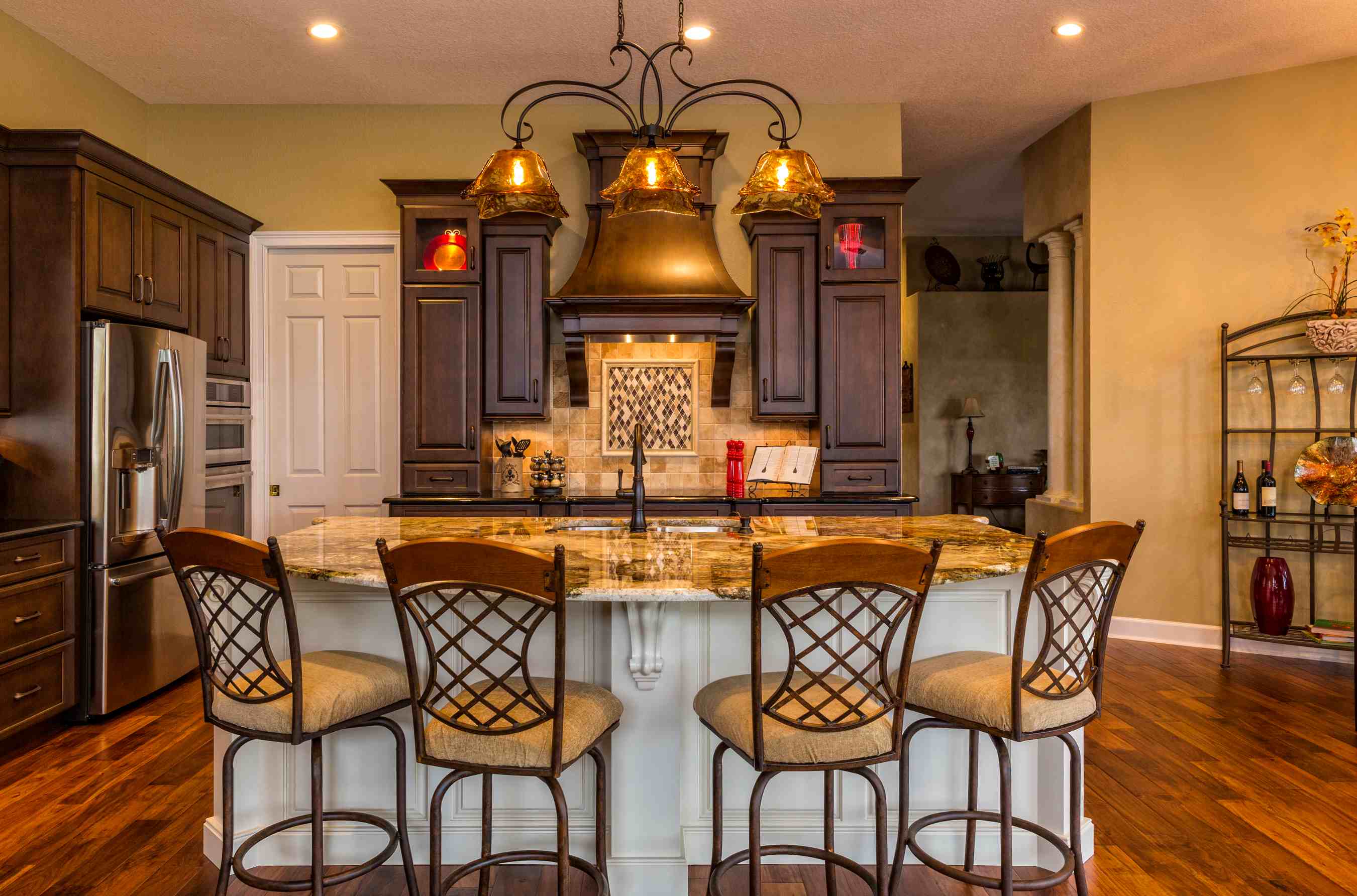
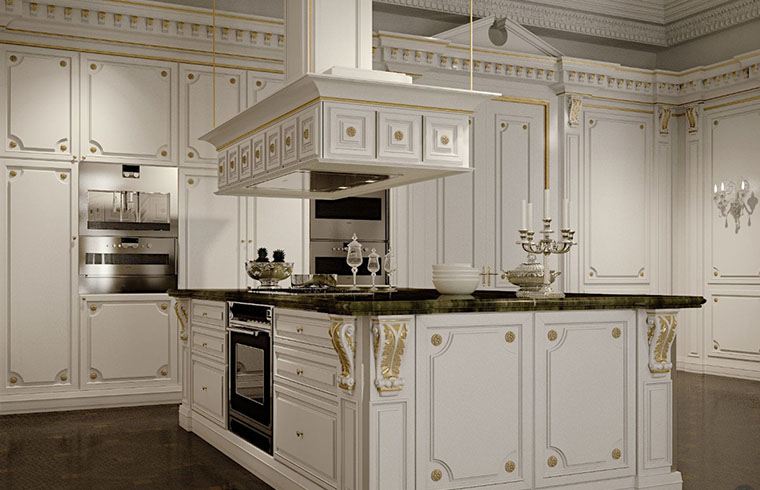
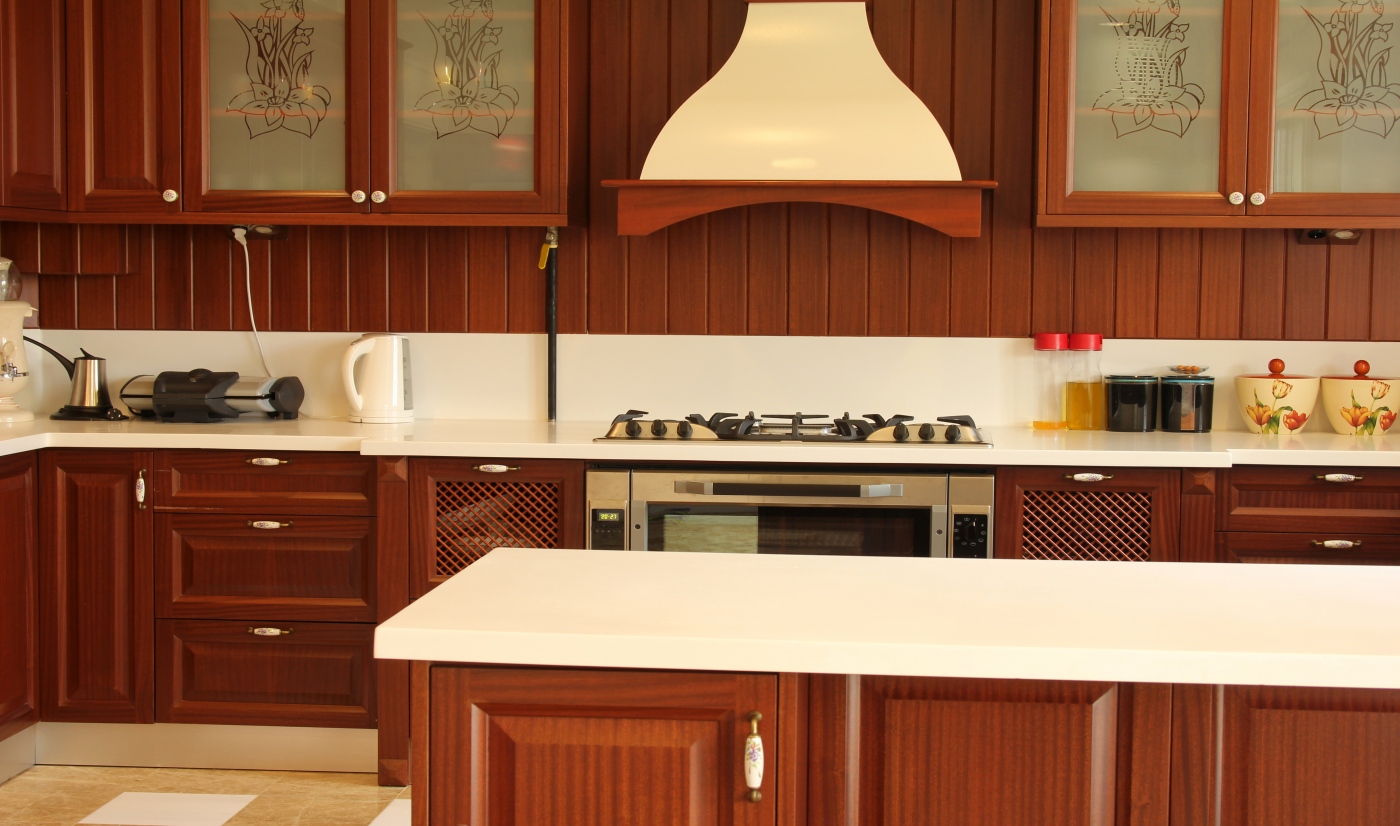
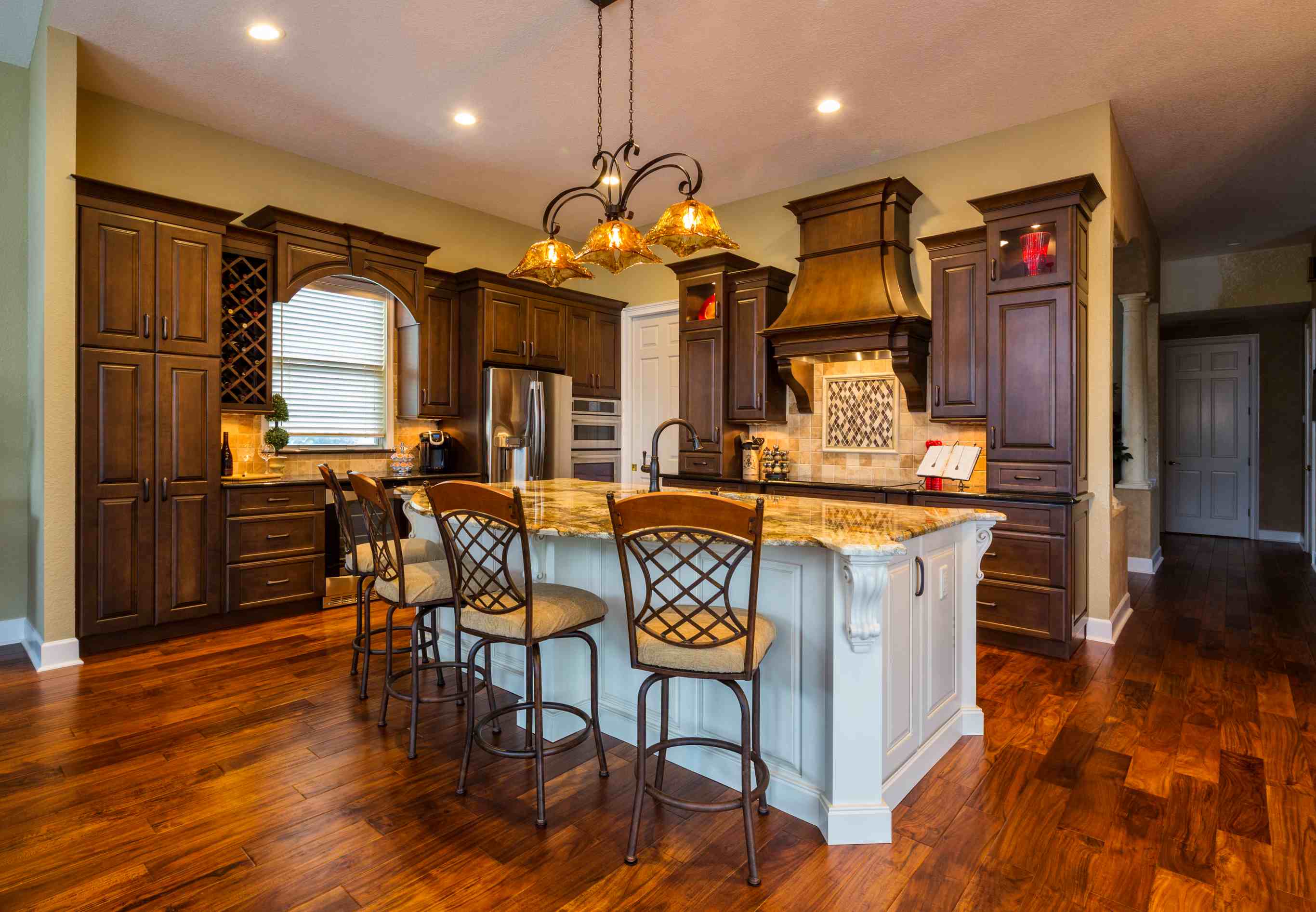
Traditional kitchen cabinets are based on classic European and American design styles. They are known for their detailed craftsmanship and timeless appearance. These cabinets often use natural wood materials such as oak, cherry, maple, or walnut, which bring warmth and texture to the kitchen.
In terms of design, traditional cabinets usually feature raised panel doors, decorative moldings, and visible hardware such as handles and knobs. Crown moldings are often added to the top of the cabinets to create a more complete and elegant look. Because of these elements, traditional cabinets tend to feel solid and substantial.
Another important characteristic is their framed construction. This structure adds strength and stability, which contributes to long-term durability. At the same time, the visual style focuses on balance and symmetry, creating a comfortable and familiar environment. For projects that aim to deliver a classic or high-end interior, traditional kitchen cabinets are often the preferred choice.
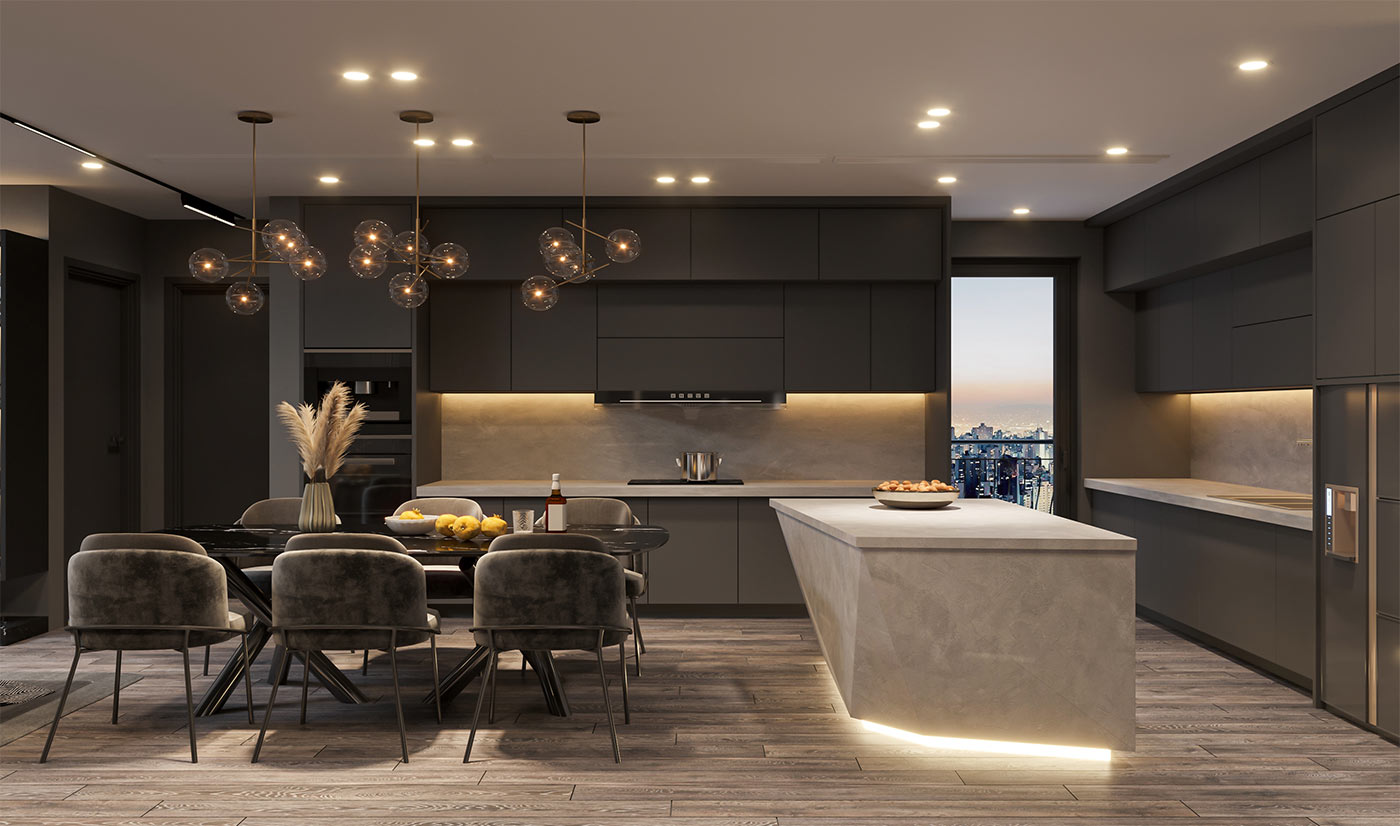
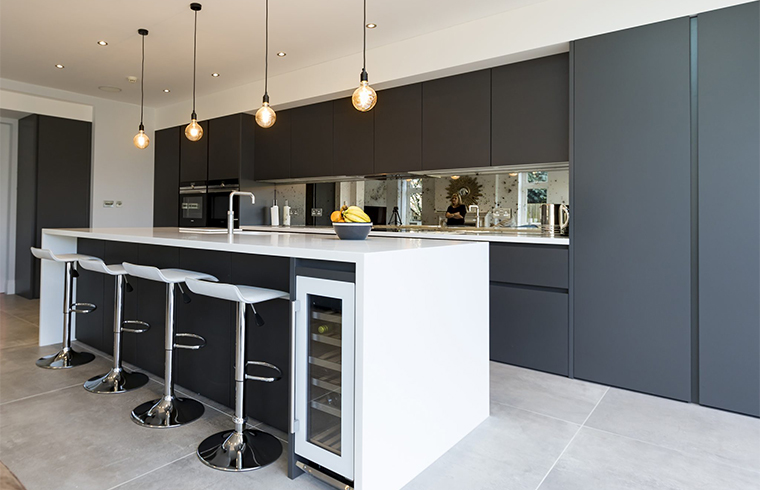
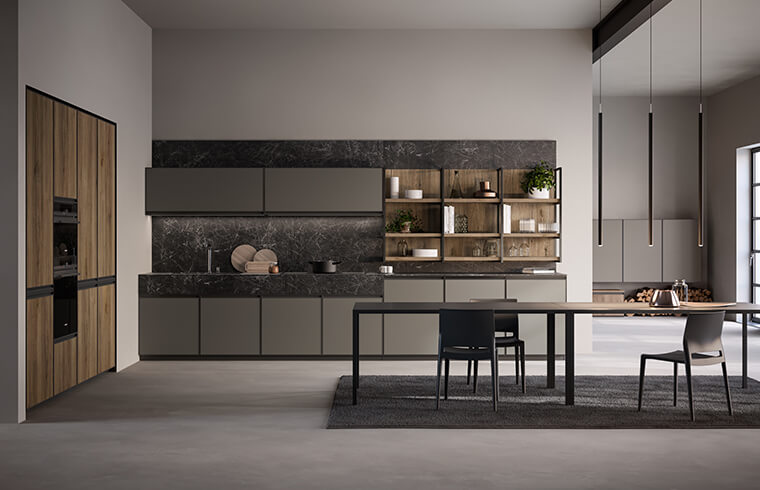
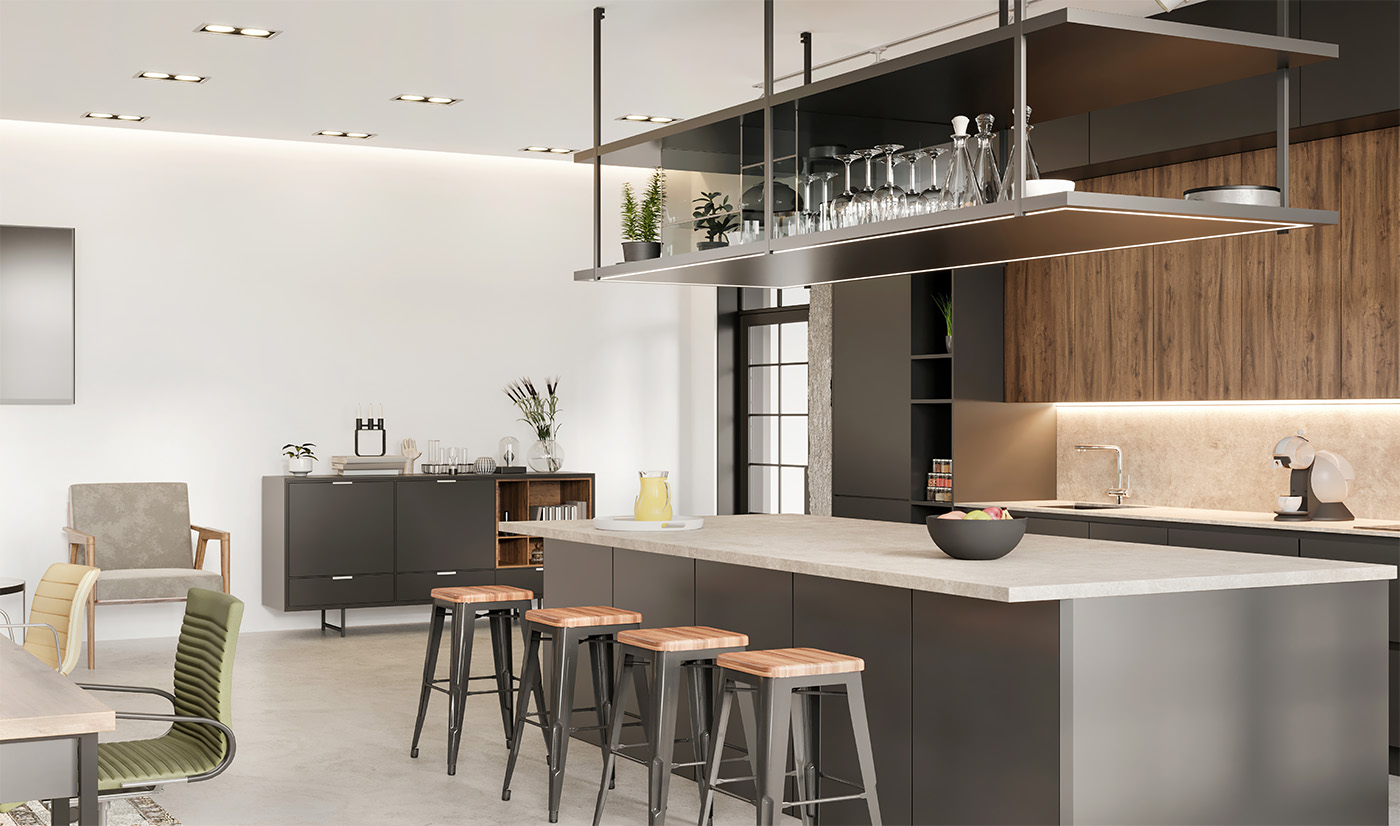
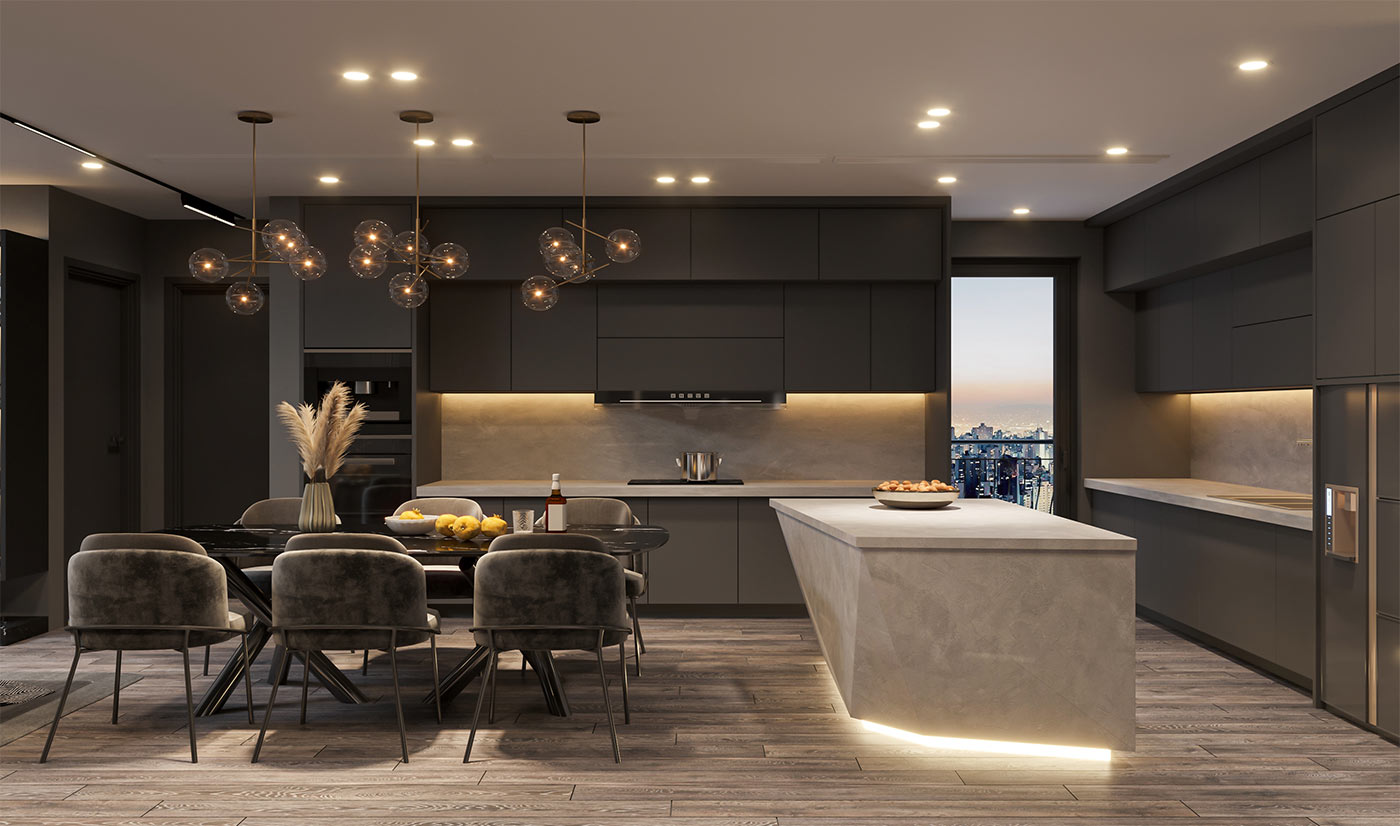
In contrast, modern kitchen cabinets are designed with simplicity and functionality in mind. They are influenced by modernist design principles that focus on clean lines and efficient use of space. As a result, modern cabinets typically have a minimal and streamlined appearance.
A key feature of modern cabinets is the frameless or full-overlay design. This creates a smooth and continuous surface with fewer visible gaps. Flat-panel doors are commonly used, and hardware is often simple or even hidden. These design choices help achieve a clean and uncluttered look.
Materials also play an important role. Modern cabinets frequently use laminate, glass, or metal, along with engineered wood products. These materials support a consistent finish and are well suited for large-scale production. In addition, modern designs often include practical storage solutions such as deep drawers and optimized shelving systems. Because of these features, modern kitchen cabinets are widely used in contemporary homes and large apartment projects.
When comparing styles, the visual difference is immediately clear. Modern cabinets focus on simplicity, with straight lines and smooth surfaces. The goal is to create a clean and organized space. Traditional cabinets, on the other hand, include decorative details that add depth and character. These elements create a more classic and elegant appearance.
Material selection further highlights the contrast. Modern cabinets often use engineered materials and high-gloss or matte finishes that reflect light and enhance a minimalist look. Traditional cabinets rely more on natural wood and stained finishes, which emphasize texture and warmth.
Functionality is another important factor. Modern kitchen cabinets are designed to maximize storage efficiency. Features such as full-overlay doors and integrated storage systems make better use of available space. Traditional cabinets focus more on visual balance and structure, which may not always provide the same level of space efficiency.
Maintenance requirements also differ between the two styles. The smooth surfaces of modern cabinets are generally easier to clean, making them suitable for busy kitchens. Traditional cabinets, with their detailed moldings and carvings, may require more effort to maintain, especially in areas where dust and grease can collect.
The way each style affects the perception of space is another key difference. Modern cabinets tend to make kitchens feel larger and more open due to their clean lines and lighter appearance. Traditional cabinets, with their heavier structure and darker tones, create a more enclosed and cozy atmosphere.
Traditional kitchen cabinets offer several advantages. Their classic design remains popular over time, making them a reliable choice for projects that aim for a timeless look. The use of natural materials adds a sense of quality and warmth. However, these cabinets often come with higher material and production costs. The detailed design can also increase cleaning and maintenance effort.
Modern kitchen cabinets provide a different set of benefits. Their simple design supports efficient production and installation, which can help control project costs. They are also easier to maintain due to their smooth surfaces. In addition, modern cabinets are well suited for high-traffic environments where durability and ease of use are important. On the downside, some buyers may find the minimalist design less expressive compared to traditional styles, especially in projects that emphasize luxury.
Choosing between modern and traditional cabinets depends largely on the type of project. In apartment developments and rental housing, modern kitchen cabinets are often the better option. Their durability, ease of maintenance, and efficient use of space make them practical for repeated use across many units.
In high-end residential projects, traditional kitchen cabinets are commonly used to enhance visual appeal. The natural wood finish and detailed design contribute to a more premium environment, which can increase property value.
Commercial spaces such as offices and retail environments also tend to favor modern cabinets. The focus in these projects is on functionality and durability, which aligns well with modern design principles. In hospitality projects, a combination of both styles can be effective. Public or high-use areas may use modern cabinets for durability, while private or luxury spaces may incorporate traditional elements for a more refined look.
Selecting the right cabinet style requires a clear understanding of project needs. The architectural style of the building often provides a strong guideline. Contemporary buildings usually match well with modern cabinets, while classic or traditional architecture benefits from more detailed cabinetry.
Budget considerations also play an important role. Modern cabinets generally offer more flexibility for cost control, especially in large-scale production. Traditional cabinets may require a higher investment but can add value in projects where design quality is a priority.
Usage conditions should also be considered. Kitchens with high daily use benefit from materials and designs that are easy to clean and maintain. In such cases, modern cabinets provide a practical solution. For spaces where visual impact is more important than daily wear, traditional cabinets can deliver stronger design value.
Both modern kitchen cabinets and traditional kitchen cabinets offer clear advantages, and neither option is universally better. Modern cabinets provide efficiency, durability, and cost control, making them ideal for large projects and high-use environments. Traditional cabinets offer timeless design and natural beauty, which are well suited for premium residential spaces.
The most effective approach is to match the cabinet style to the specific needs of the project. By considering factors such as budget, usage, and design goals, buyers can select a solution that balances performance and appearance. In this way, the final kitchen design can meet both practical requirements and aesthetic expectations.


We employ cookies to analyze website traffic and enhance your browsing experience. Data securely aggregated, privacy protected. See Privacy Policy for details.