When planning a kitchen renovation, many homeowners and project managers focus first on layout, cabinet structure, or countertop materials. However, as the design process moves forward, it becomes clear that the cabinet finish plays a much bigger role than expected. In fact, the finish directly affects not only how the kitchen looks, but also how it feels, performs, and ages over time.
From a visual perspective, cabinet finish determines light reflection, color depth, and overall style direction. A glossy surface can make a compact kitchen appear brighter and more open, while a matte finish often creates a calm and refined atmosphere. Beyond appearance, the finish also influences maintenance requirements, durability, and suitability for different usage scenarios, especially in busy households or commercial projects.
As a result, choosing between high gloss kitchen cabinets and matte kitchen cabinets is not simply a matter of taste. It is a practical decision that should align with lifestyle needs, kitchen layout, lighting conditions, and long-term expectations. Understanding these differences early helps avoid costly changes later and leads to better project outcomes.
With that in mind, the following sections will break down each option in a clear and structured way, starting with a closer look at high gloss kitchen cabinets.
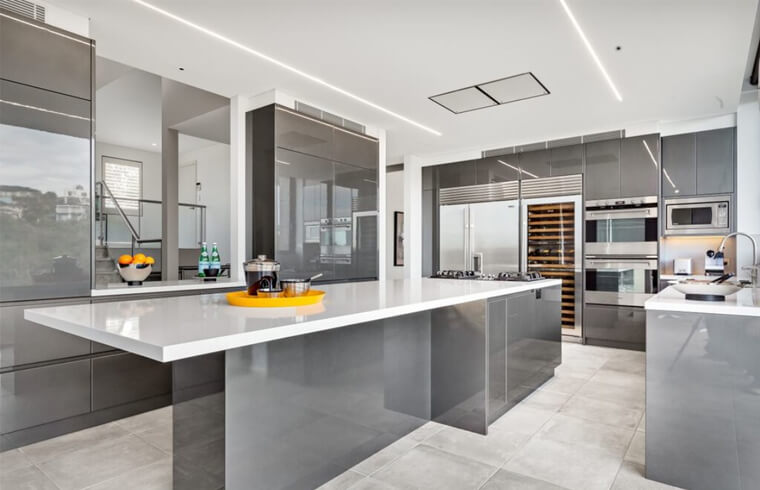
To begin with, high gloss kitchen cabinets are defined by their smooth, reflective surface. This finish is typically achieved through materials and processes such as lacquer painting, acrylic panels, PVC foil, or PET surfaces. The result is a mirror-like appearance that reflects light and highlights clean lines.
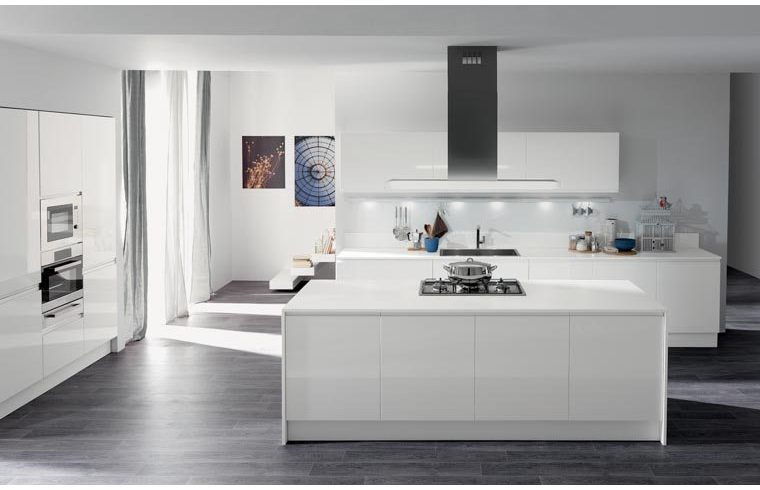
One of the most noticeable characteristics of high gloss cabinets is their strong visual impact. Because they reflect both natural and artificial light, they can significantly enhance brightness in the kitchen. This makes them a popular choice for modern apartments, compact kitchen layouts, and spaces with limited daylight.
In terms of style, high gloss cabinets are closely associated with modern and contemporary kitchen design. They pair well with flat-panel doors, handle-less systems, and minimalist kitchen layouts. White high gloss kitchen cabinets, in particular, are widely used because they amplify space and create a crisp, modern look.
From a functional standpoint, high gloss surfaces are generally non-porous, which means they resist moisture and stains better than some traditional finishes. This can be an advantage in kitchens where spills and splashes are common. However, because of their reflective nature, fingerprints, smudges, and fine scratches may be more visible, especially on darker colors.
Overall, high gloss kitchen cabinets are best known for their sleek appearance, light-enhancing qualities, and strong modern appeal. To better understand their role in comparison, it is equally important to examine matte kitchen cabinets in detail.
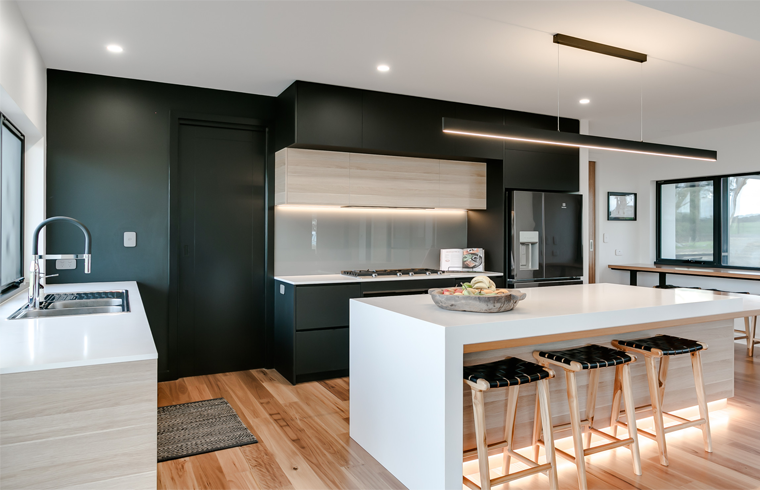
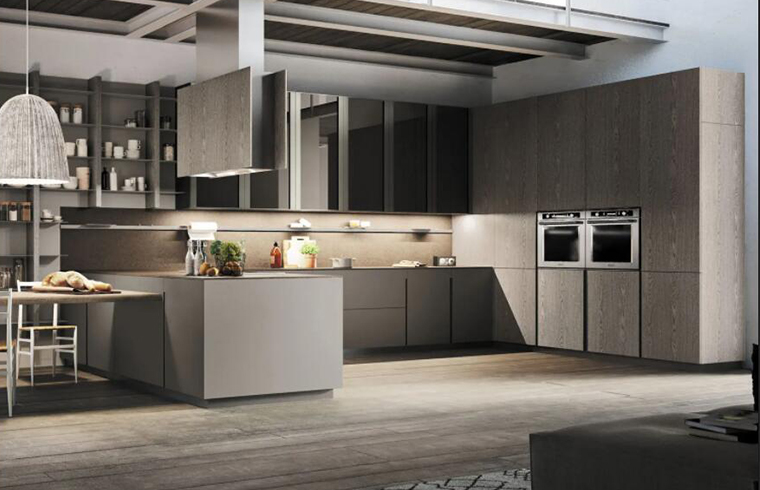
In contrast, matte kitchen cabinets feature a soft, non-reflective surface that absorbs light rather than bouncing it back. This finish can be achieved through matte lacquer, textured laminates, wood veneer, or thermofoil materials designed to reduce shine.
One of the key advantages of matte cabinets is their subtle and understated appearance. Instead of drawing attention through reflection, matte finishes highlight color consistency and material texture. This makes them suitable for a wide range of styles, from modern and Scandinavian kitchens to transitional and even classic designs.
From a practical perspective, matte kitchen cabinets are often favored for their low-visibility maintenance. Fingerprints, water marks, and minor scratches tend to blend into the surface more easily, which is especially helpful in family kitchens or high-use environments. For this reason, matte finishes are commonly selected for long-term residential projects and multi-unit developments.
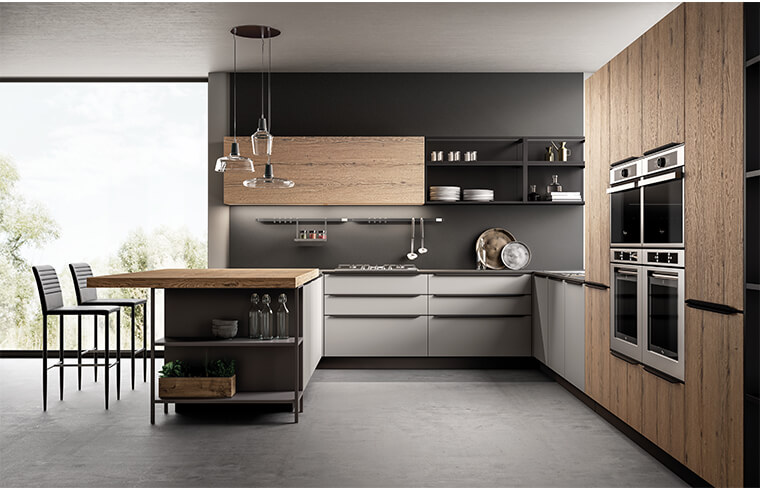
In addition, matte cabinets create a warm and balanced atmosphere, particularly when combined with natural materials such as wood countertops, stone backsplashes, or warm lighting. They work well in both small and large kitchen layouts, depending on color choice and overall design coordination.
While matte surfaces may not enhance brightness in the same way as high gloss finishes, they offer visual stability and timeless appeal, which many homeowners and designers consider a major advantage.
With both finishes clearly defined, a direct comparison can now provide clearer guidance for decision-making.
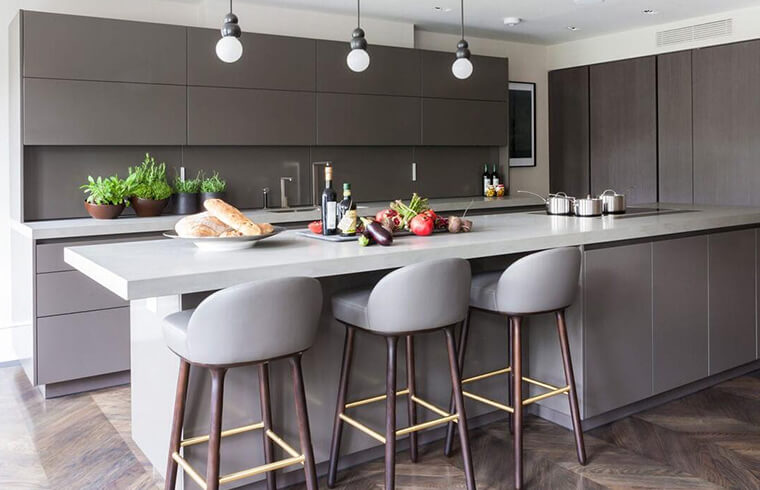
To make a practical choice, it is helpful to compare high gloss vs matte kitchen cabinets across several key factors that directly affect daily use and long-term satisfaction.
From a visual standpoint, high gloss cabinets reflect light and create a bright, modern impression, while matte cabinets deliver a softer, more controlled look. This means high gloss is often better suited for small or low-light kitchens, whereas matte finishes excel in spaces where balance and texture are priorities.
In terms of maintenance, matte cabinets generally hide fingerprints and scratches more effectively, making them easier to maintain visually. High gloss cabinets, although easy to wipe clean, may require more frequent cleaning to keep their polished appearance.
When it comes to design compatibility, high gloss cabinets align strongly with minimalist and ultra-modern kitchen layouts, especially handle-less designs. Matte cabinets, on the other hand, are more versatile and adapt well to a broader range of kitchen styles and cabinet configurations.
Durability depends largely on material quality and manufacturing process rather than finish alone. However, both high gloss and matte kitchen cabinets can perform well in long-term use when produced with proper surface treatment and quality control.
By understanding these differences, homeowners, designers, and project buyers can make more informed decisions that align with their kitchen layout, usage needs, and aesthetic goals.
After understanding the surface differences between high gloss and matte kitchen cabinets, the next critical factor is kitchen layout. In real projects, layout often determines whether a finish will perform well over time, not just whether it looks good on day one.
In compact kitchens, especially in apartments and urban homes, light management becomes a key concern. For this reason, high gloss kitchen cabinets are more commonly used in small kitchen layouts. Their reflective surfaces help bounce light around the space, visually expanding the room and reducing any closed-in feeling.
However, balance is essential. To avoid a space feeling overly bright or harsh, designers often limit high gloss finishes to cabinet fronts only, while pairing them with matte countertops or neutral wall colors. This approach keeps the kitchen bright without overwhelming the eyes.
In contrast, large kitchens and open-plan layouts that connect with dining or living areas usually benefit from visual stability. Here, matte kitchen cabinets tend to feel more grounded and cohesive. Because matte finishes absorb light, they reduce visual noise and help the kitchen blend naturally with surrounding spaces.
In open layouts, cabinet finish should not compete with furniture, flooring, or lighting. Matte cabinets often support a more seamless transition between kitchen, dining, and living zones, especially in modern residential projects.
Another important consideration is traffic flow. High-use zones such as cooking areas, sink zones, and walkways are exposed to frequent contact. In these areas, finish choice should prioritize function over appearance.
Matte finishes generally hide fingerprints and minor wear better, making them suitable for high-traffic zones. High gloss finishes may still be used, but are often reserved for upper cabinets or low-contact areas. This balance reflects a practical understanding of how kitchens are actually used.
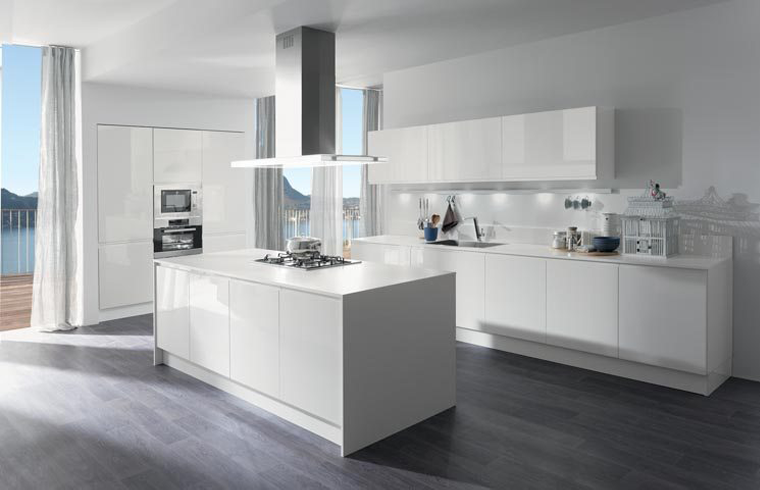
Island kitchen cabinets often serve as the visual center of the kitchen. Whether used for cooking, dining, or social interaction, the island naturally draws attention. Because of this, the finish chosen for the island has a strong impact on the overall design language.
A high gloss island creates a striking focal point and emphasizes modern design, while a matte island communicates solidity and refinement. The right choice depends on how prominent the island is within the kitchen layout.
From a functional perspective, kitchen islands are typically the most frequently touched surfaces. They are used for food prep, seating, storage access, and casual gatherings. As a result, durability and ease of maintenance become especially important.
Matte finishes are often preferred for island kitchen cabinets because they reduce the visibility of fingerprints and daily wear. However, high-quality high gloss surfaces can still perform well when produced with proper coating systems.
A common and effective solution is mixing finishes. For example, matte island cabinets paired with high gloss perimeter cabinets create visual hierarchy without sacrificing practicality. This approach is widely used in custom and project-based kitchens because it balances design interest with long-term usability.
Different users have different priorities, and cabinet finish selection should reflect that reality.
Family Homes and Busy Kitchens
For households with children, pets, or frequent cooking, matte kitchen cabinets are often the more forgiving option. They require less visual maintenance and maintain a consistent appearance over time.
Rental, Apartment, and Project Kitchens
In rental and project kitchens, decision-makers focus on maintenance cost, stability, and batch consistency. Matte finishes are often chosen for their durability and uniform look across multiple units, while high gloss may be used selectively for visual impact.
Custom Kitchen Cabinets for Private Homes
For private homes, the advantage lies in flexibility. Mixing finishes allows homeowners to express personal style while keeping high-use areas practical. The key is aligning finish choice with actual usage patterns.
From a kitchen cabinet supplier standpoint, finish selection is never isolated. Experienced suppliers guide clients by evaluating several factors together.
Common issues arise when finish decisions are made without considering real usage or layout. A professional kitchen cabinet supplier will always assess kitchen layout, daily usage, budget, and project timeline before confirming finishes.
This integrated approach helps prevent costly revisions and ensures the final kitchen performs as expected, not just visually but functionally.
They are easy to clean, but fingerprints may be more visible.
Quality matte finishes are designed for durability and hide minor wear well.
High gloss kitchen cabinets often help small kitchens feel brighter and larger.
Matte finishes are commonly used for islands due to frequent contact.
Yes, mixing finishes is a common and practical design approach.
There is no universally “better” finish—only the more suitable choice for a specific kitchen. The right decision comes from understanding your kitchen layout, daily use habits, and the role of island kitchen cabinets within the space.
Work with a Professional Kitchen Cabinet Supplier
As a professional kitchen cabinet supplier, BFP helps clients make informed finish decisions based on real project experience. From layout evaluation to finish matching and stable delivery, BFP supports residential and project clients with practical solutions, not just product options.
Contact BFP today to work with a kitchen cabinet supplier that understands design, function, and long-term performance.


We employ cookies to analyze website traffic and enhance your browsing experience. Data securely aggregated, privacy protected. See Privacy Policy for details.