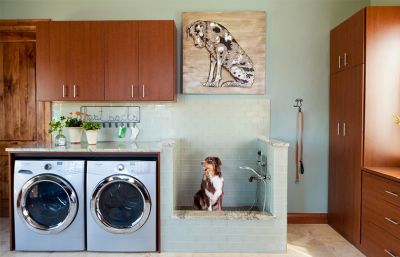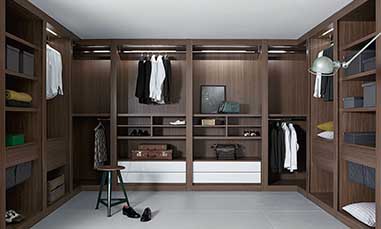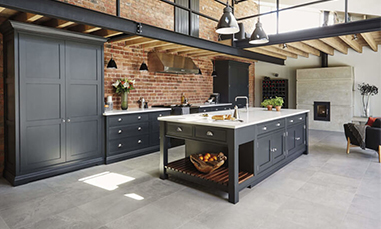



Colour drifts between batches because paint, laminate and veneer vary with the batch, the substrate and the cure. The fix is simple: order the whole project in one batch, approve a full door as the sample, check it under three light sources and hold a tolerance of about ΔE 1–2. Mixing batches across rooms is the most common cause of a visible difference.
One batch per project, or reserve a batch at the start.
Approve a full door, not a chip.
Check under daylight, warm and cool light.
ΔE 1–2 is a realistic tolerance for solid colours.
Mixing batches across rooms causes visible differences.
1. Why colour drifts
Colour is a batch property, not a constant. Paint varies with the pigment lot, laminate with the print run, veneer with the tree. The substrate and the cure add variation. Two batches of the same named colour can differ enough to see on a large panel.
2. Batch control
| Abordagem | Controlar | Gestão de |
|---|---|---|
| One batch | Melhores | Storage if phased |
| Reserved batch | Boa | Tempo de espera |
| Lotes mistos | Fraco | diferença visível |
| Reorder later | Depends on sample | Deriva ao longo do tempo |
One batch is the strongest control. If the project is phased, reserve the batch and store it, and count the storage cost against the risk of a mismatch.
3. The approved sample
Approve a full door in the final finish, sign and date it, and keep it as the reference. A chip does not show the sheen or the edge, and those are what the eye notices. The sample should be stored indoors, away from light, so it does not fade.
4. Tolerância
For solid colours, ΔE 1–2 is usually invisible to the eye. Above 2, a trained eye can see the difference, especially on large panels. For wood grains and veneers, the tolerance is wider, because the grain itself varies; the match is about tone and direction, not exact colour.
5. luz
Check the sample under daylight, warm light and cool light. A colour that matches under factory light can look different under a warm interior. If the project has feature lighting, check under that too, because the light colour changes the perceived cabinet colour.
6. Mixing rooms
Do not mix batches across rooms or floors. A difference that is invisible within one room becomes obvious when two rooms meet. If a mix is unavoidable, keep each batch to one room and put the transition at a door or a wall.
7. Verificação durante a inspeção
Compare the delivered panels to the approved sample under the project light, not the factory light. Photograph the comparison. A photo is not a colour reference, but it records that the check happened.
8. When it fails
If the colour is wrong, replace the affected doors or panels rather than the whole kitchen, and match to the approved sample. Record the batch numbers so the replacement matches. The acabamentos de portas guide covers the finish systems that drift least.
9. Uma lista de verificação antes de se comprometer
Before you sign, confirm six things: the board grade, the hardware model, the finish system, the packing standard, the inspection scope and the payment schedule. Each should be in writing, not in a call. The quote checklist turns the six into a one-page comparison.
10. Erros comuns
O erro mais comum é comparar o preço de fábrica com o custo final. O segundo é não incluir a inspeção no orçamento. O terceiro é pagar o saldo antes da aprovação da inspeção. Todos esses erros podem ser evitados com um escopo de trabalho por escrito e uma inspeção pré-embarque.
11. Como medir o quarto
Meça cada parede em três pontos: superior, central e inferior, e use a menor medida. As paredes raramente são perfeitamente quadradas, e uma curvatura de 10 mm em três metros altera a medida de preenchimento. Meça o teto em cada canto e anote a localização de tomadas, radiadores e tubulações de esgoto antes de desenhar. Um levantamento com medições economiza mais tempo do que um desenho feito às pressas, e o guia de medição inclui uma versão para impressão.
13. Uma lista de verificação de especificações
Escreva quatro linhas para cada material: o produto, a classe, a espessura e o tratamento da superfície ou da borda. Um material especificado apenas pelo nome deixa a classe a cargo da fábrica, e é na classe que residem o custo e o desempenho.
14. Perguntas que a fábrica fará
Espere quatro perguntas: qual a qualidade, qual a espessura, qual o tipo de borda e qual o lote. As respostas já devem estar na especificação. Caso contrário, a fábrica escolherá, e a opção escolhida será a mais barata que atenda ao desenho.
Perguntas frequentes
Why do cabinet colours drift between batches?
Paint, laminate and veneer vary with the batch, the substrate and the curing conditions. Two batches of the same colour can differ enough to see in a large kitchen.
How do I avoid drift on a project?
Order the whole project in one batch, or reserve a batch at the start. Mixing batches across floors or rooms is the most common cause of a visible difference.
What is an approved sample?
A full door in the final finish, signed and dated, kept as the reference for the project. A chip is not enough, because sheen and edge change the look.
Qual a tolerância aceitável?
For solid colours, ΔE 1–2 is usually invisible to the eye. Above 2, a trained eye can see the difference, especially on large panels.
Which light should I check under?
Daylight, warm light and cool light. A colour that matches under factory light can look different under a warm interior.
What if a room is already installed and the colour is wrong?
Replace the affected doors or panels rather than the whole kitchen, and match to the approved sample. Document the batch numbers so the replacement matches.